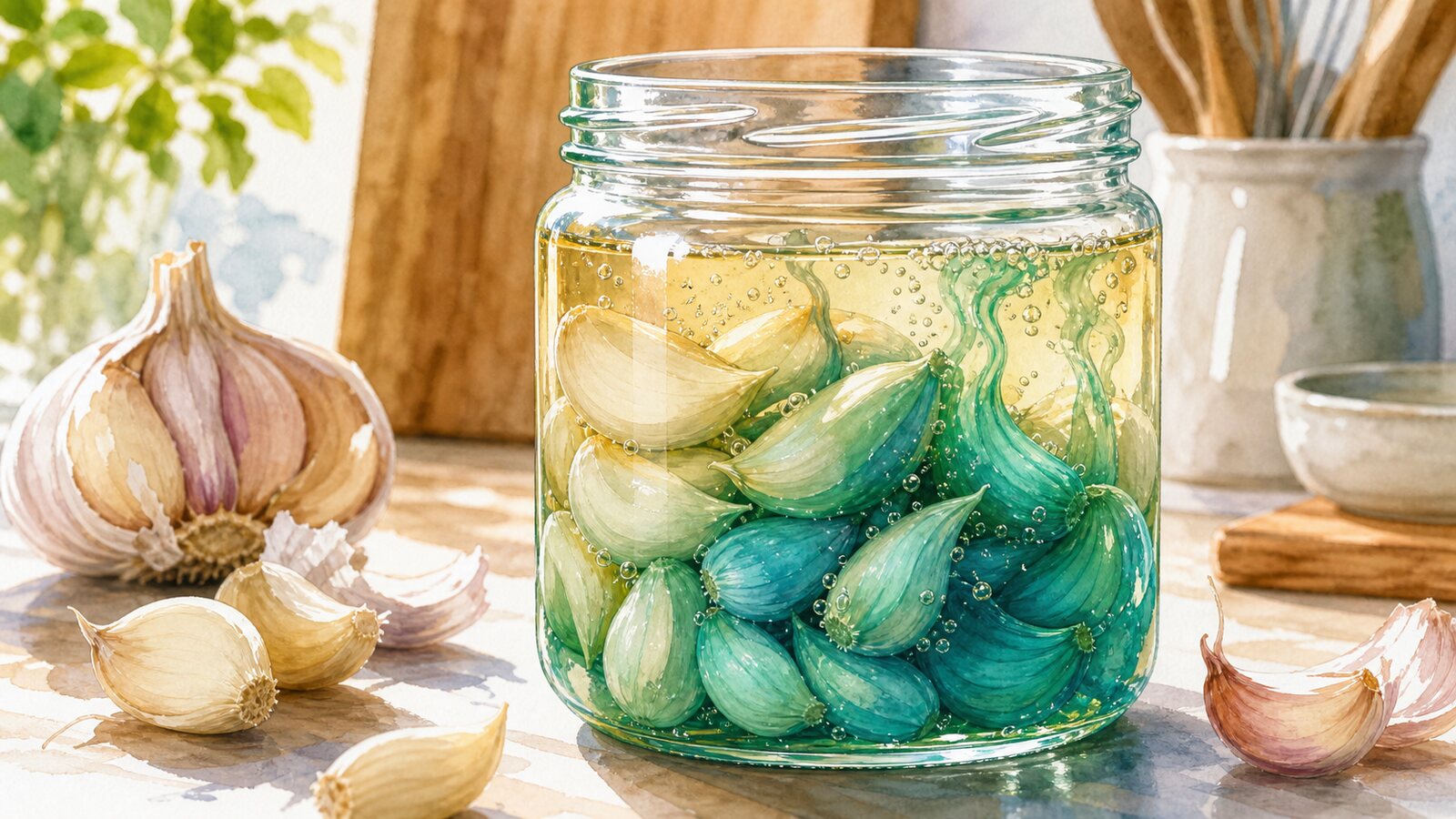
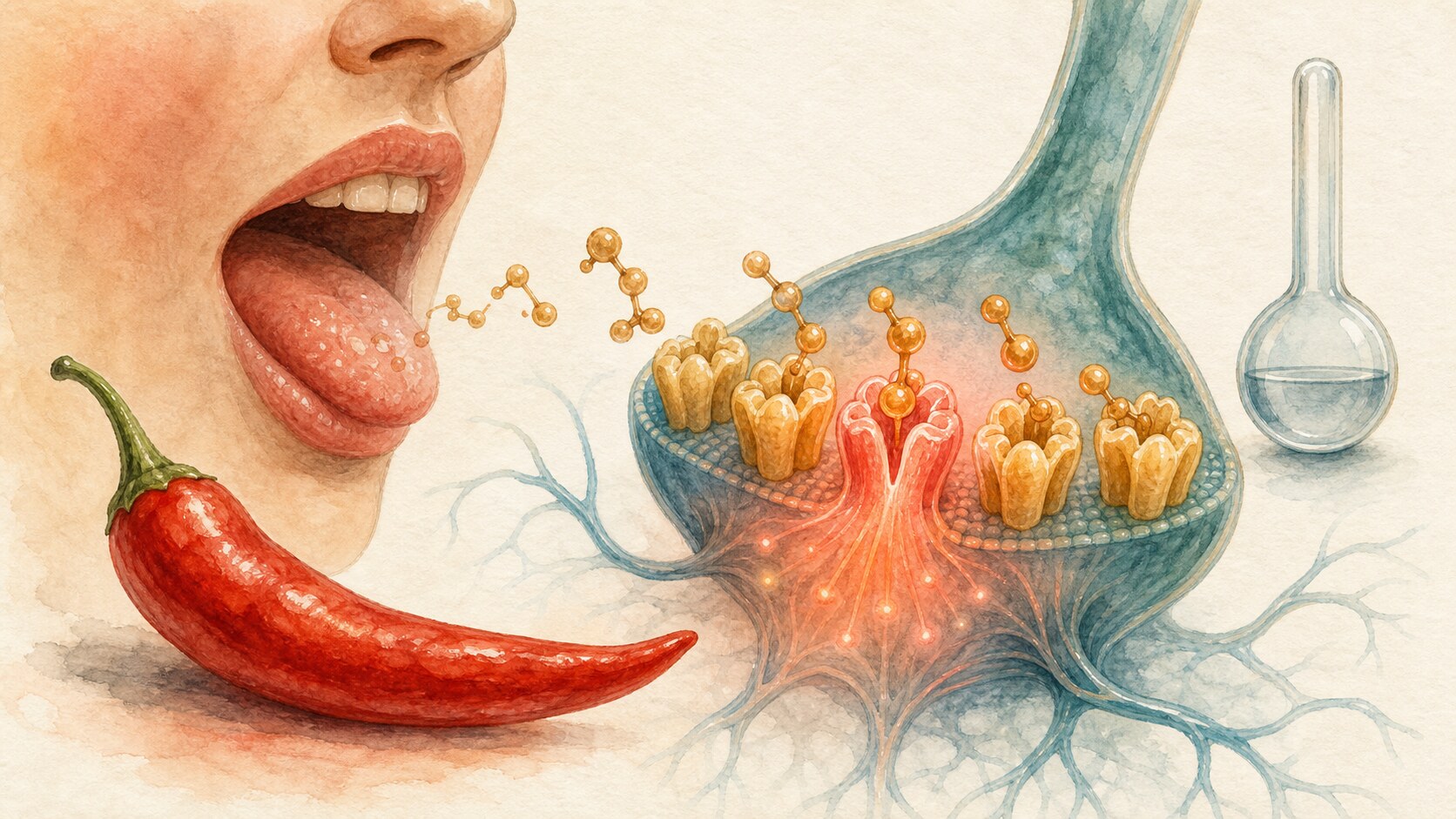
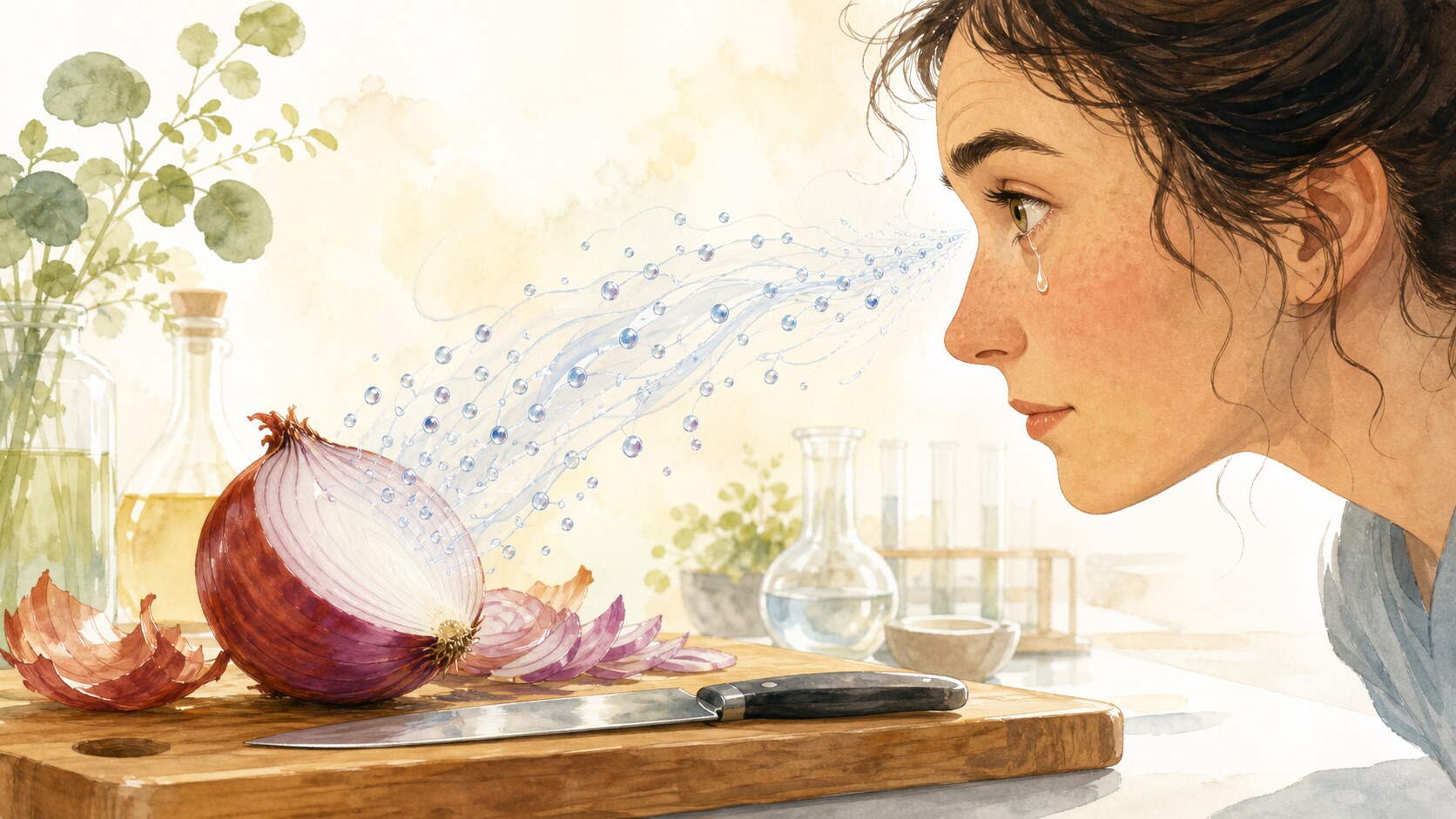
Why Do Onions Make You Cry?
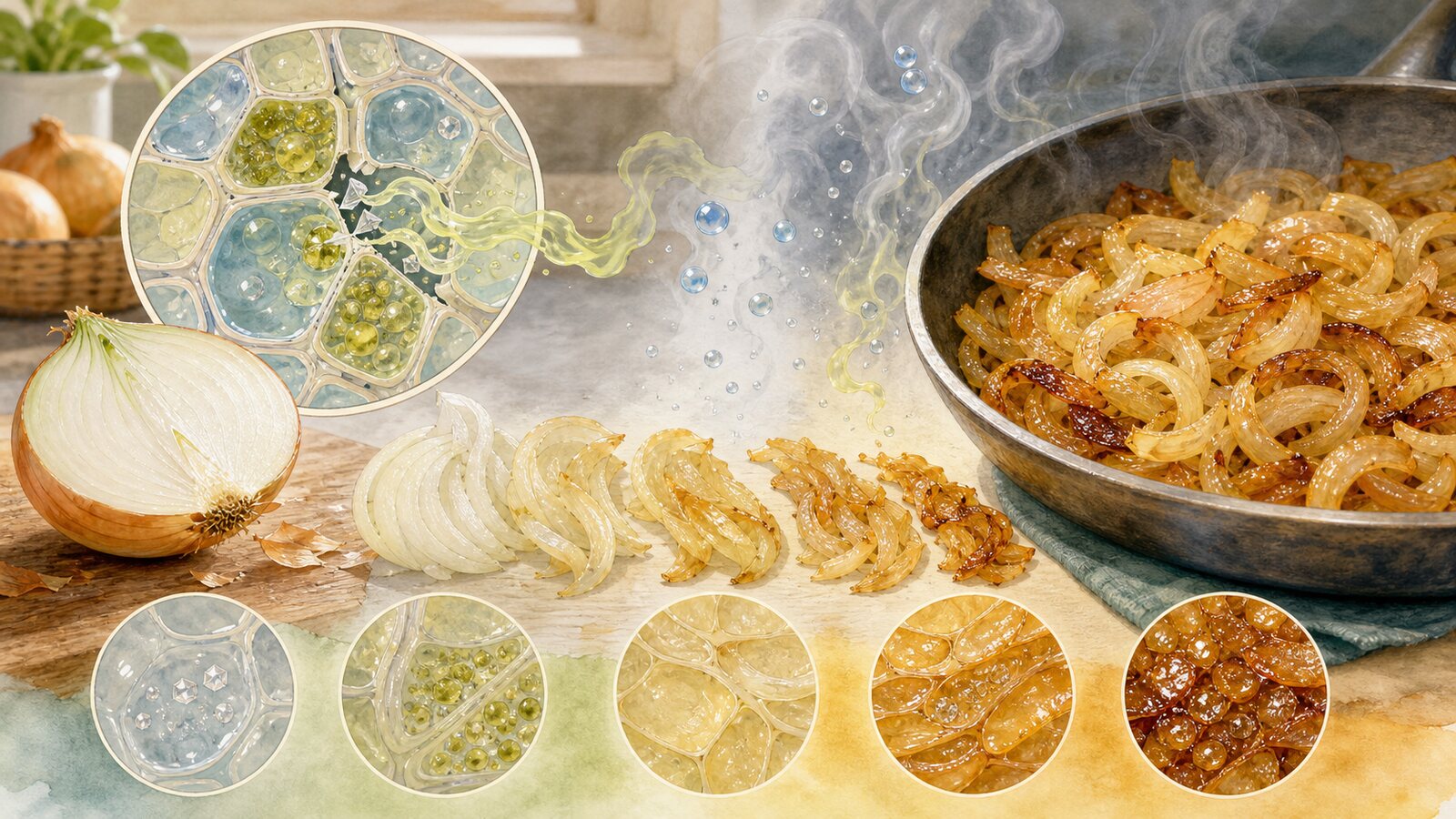
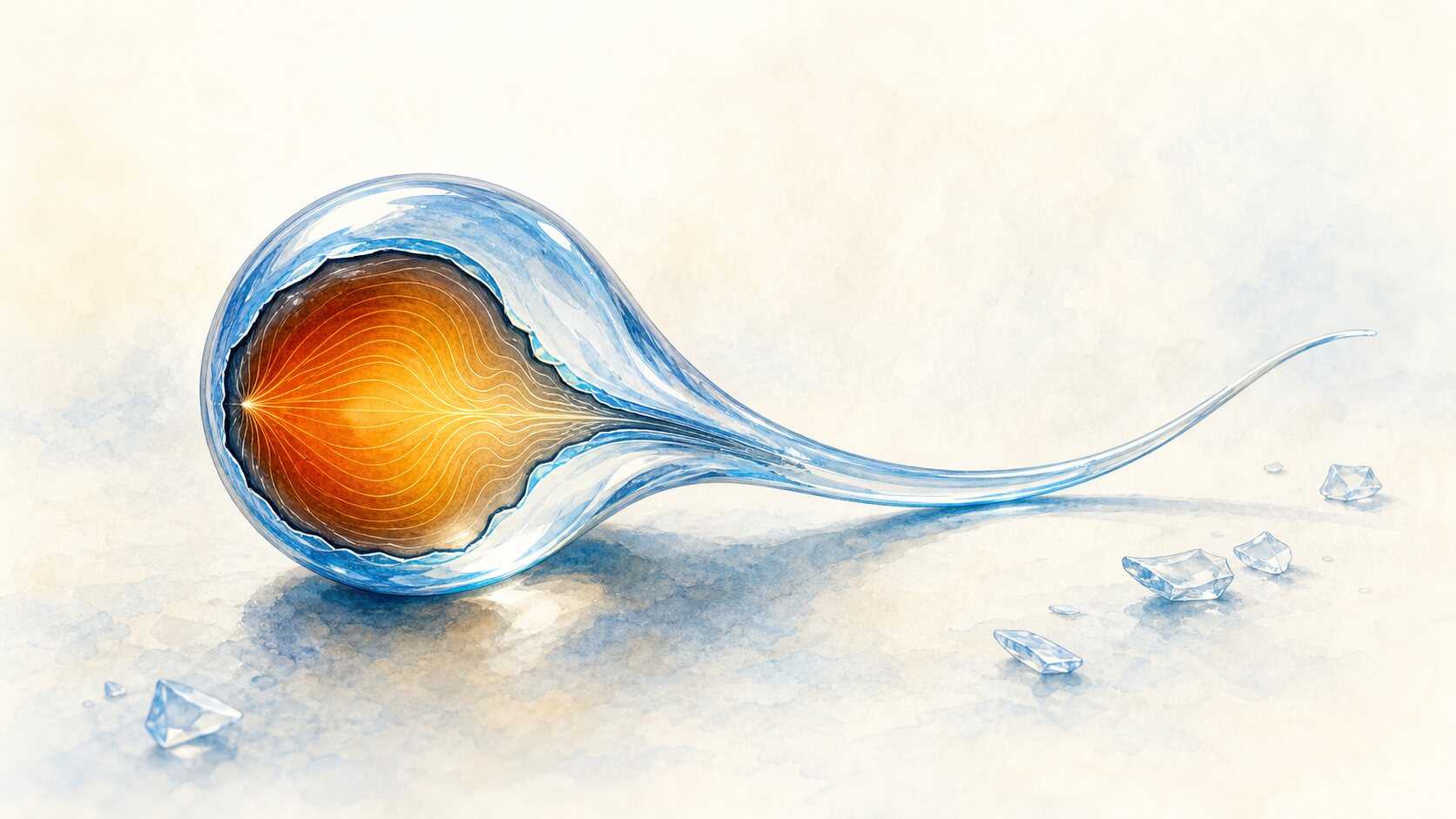
Cutting onion cells triggers enzyme reactions that release a volatile irritant. Your eyes produce tears to dilute and wash it away.

LATEST STORIES
Cutting onion cells triggers enzyme reactions that release a volatile irritant. Your eyes produce tears to dilute and wash it away.

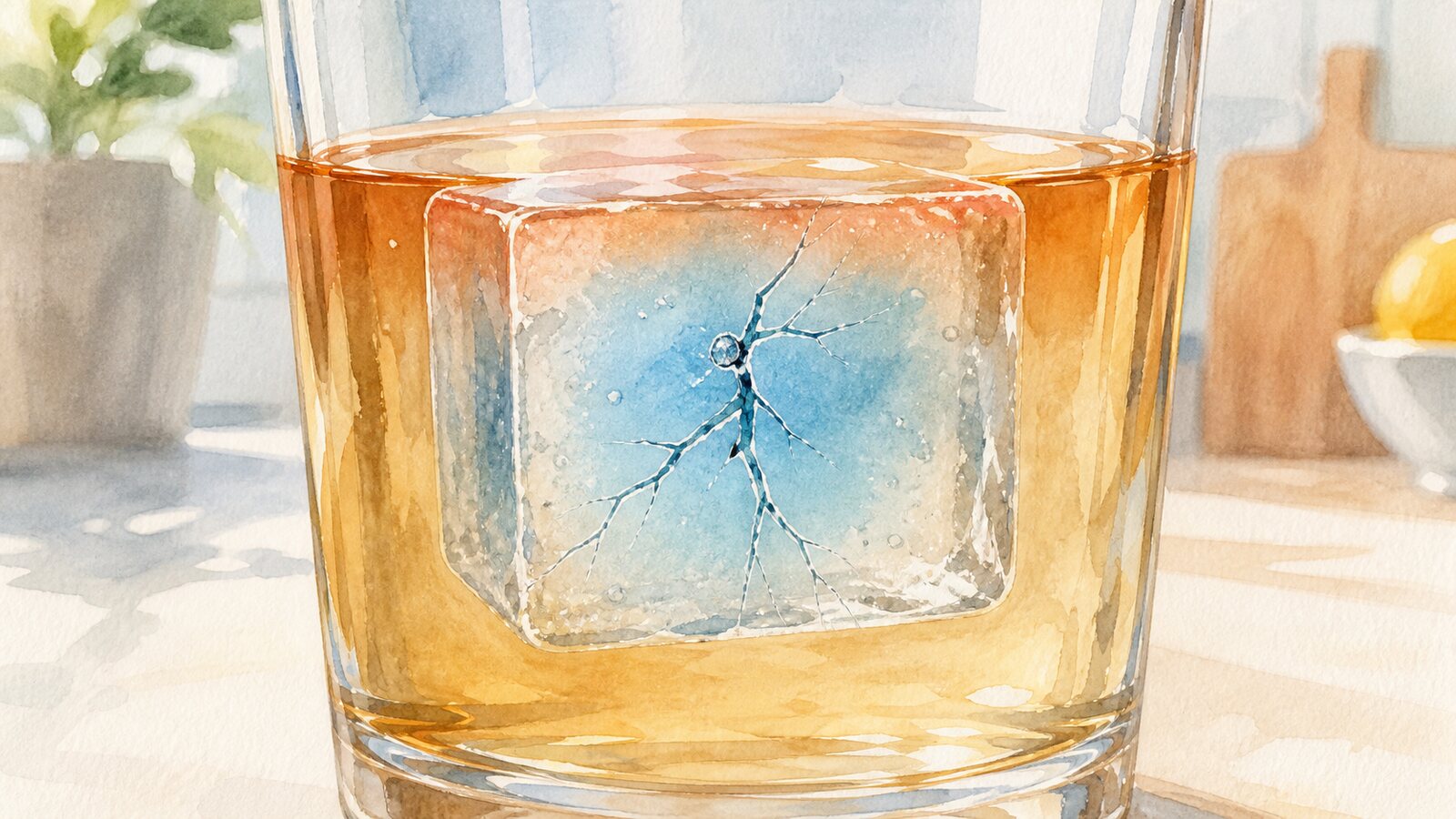
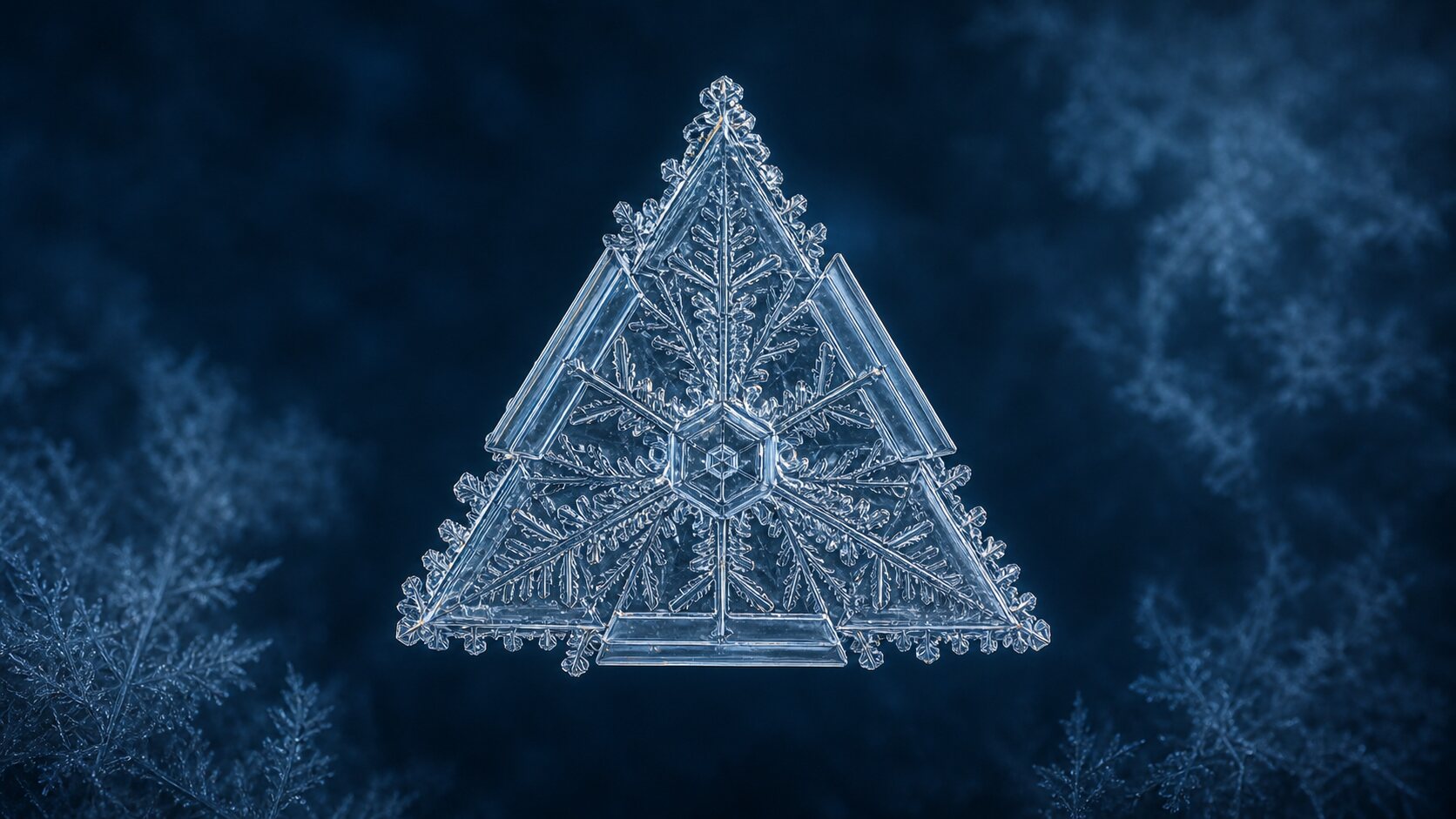
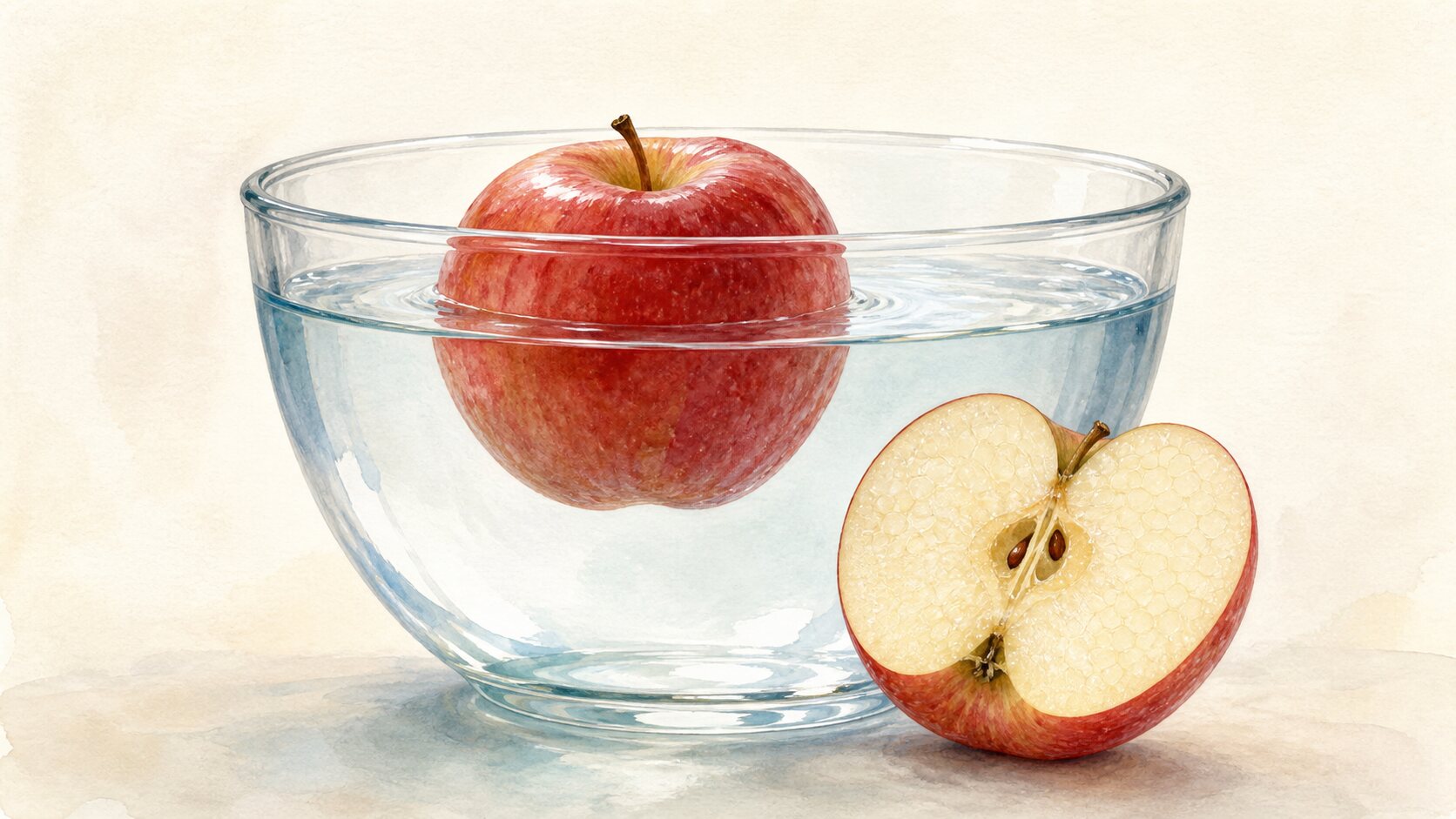
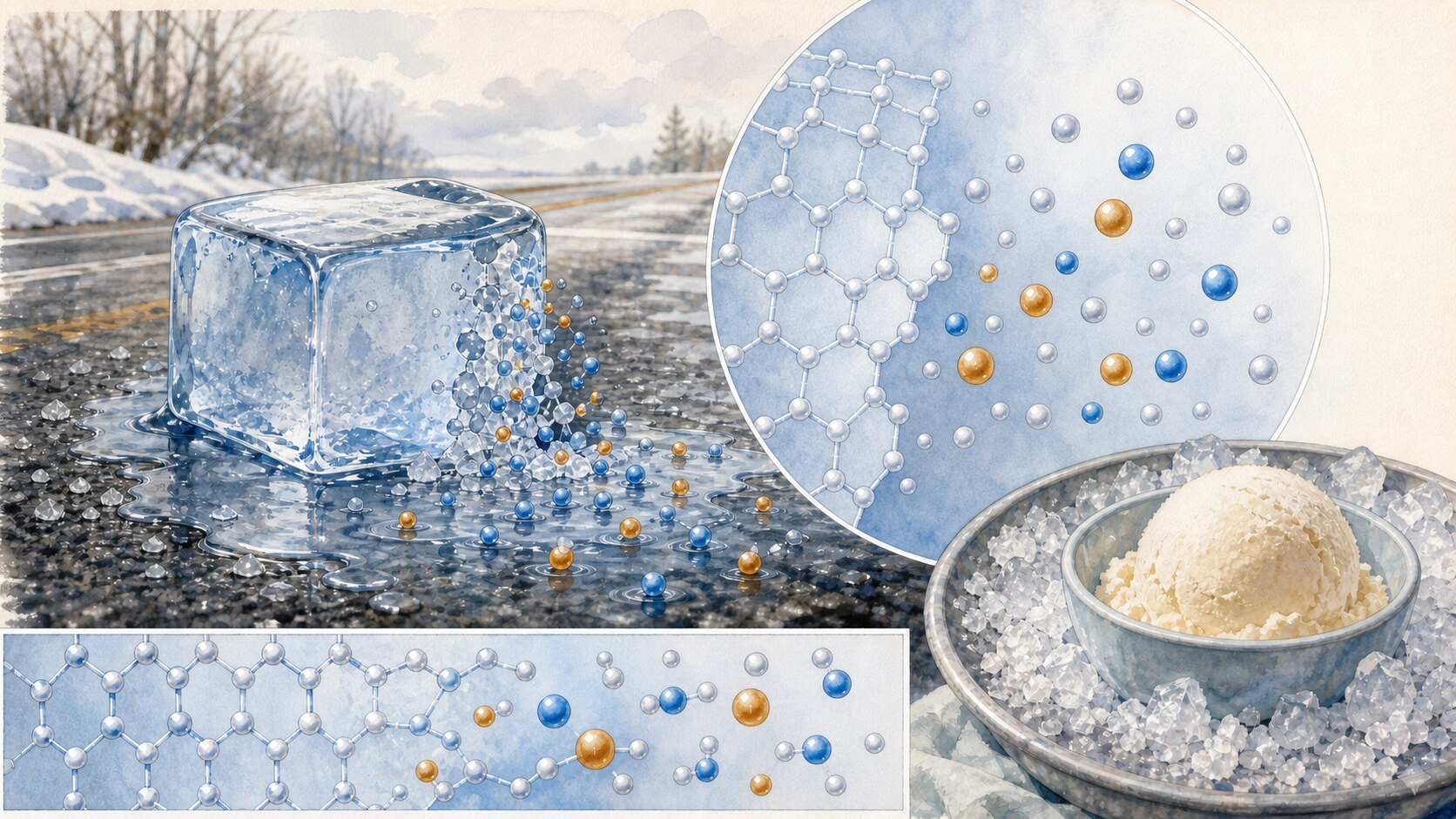
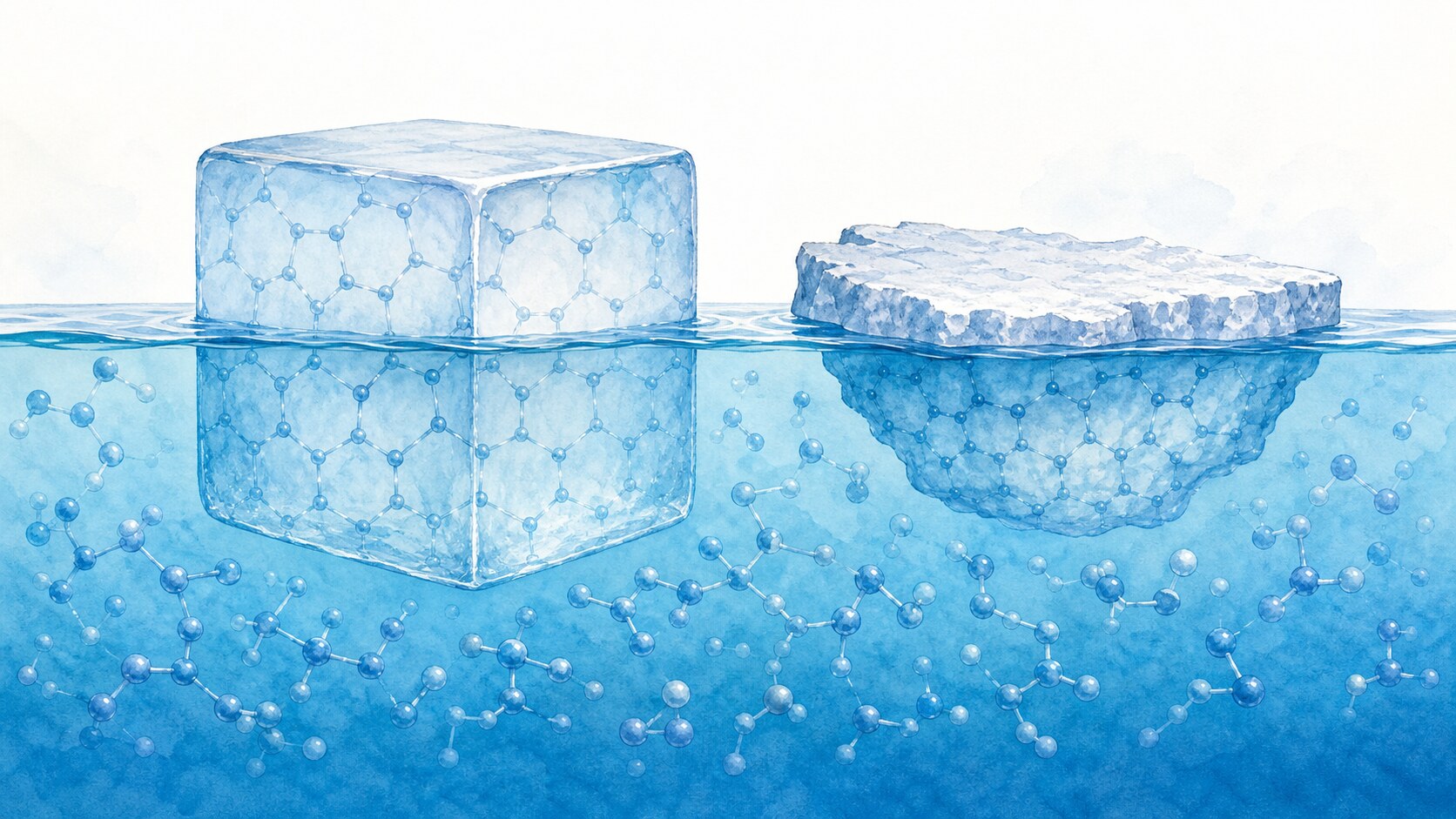
When water freezes, its molecules form an open crystal structure and expand by roughly 9 percent. The resulting lower density keeps ice afloat.

A cat's vertical pupils do more than control light. Research connects their shape with judging distance while ambushing prey close to the ground.

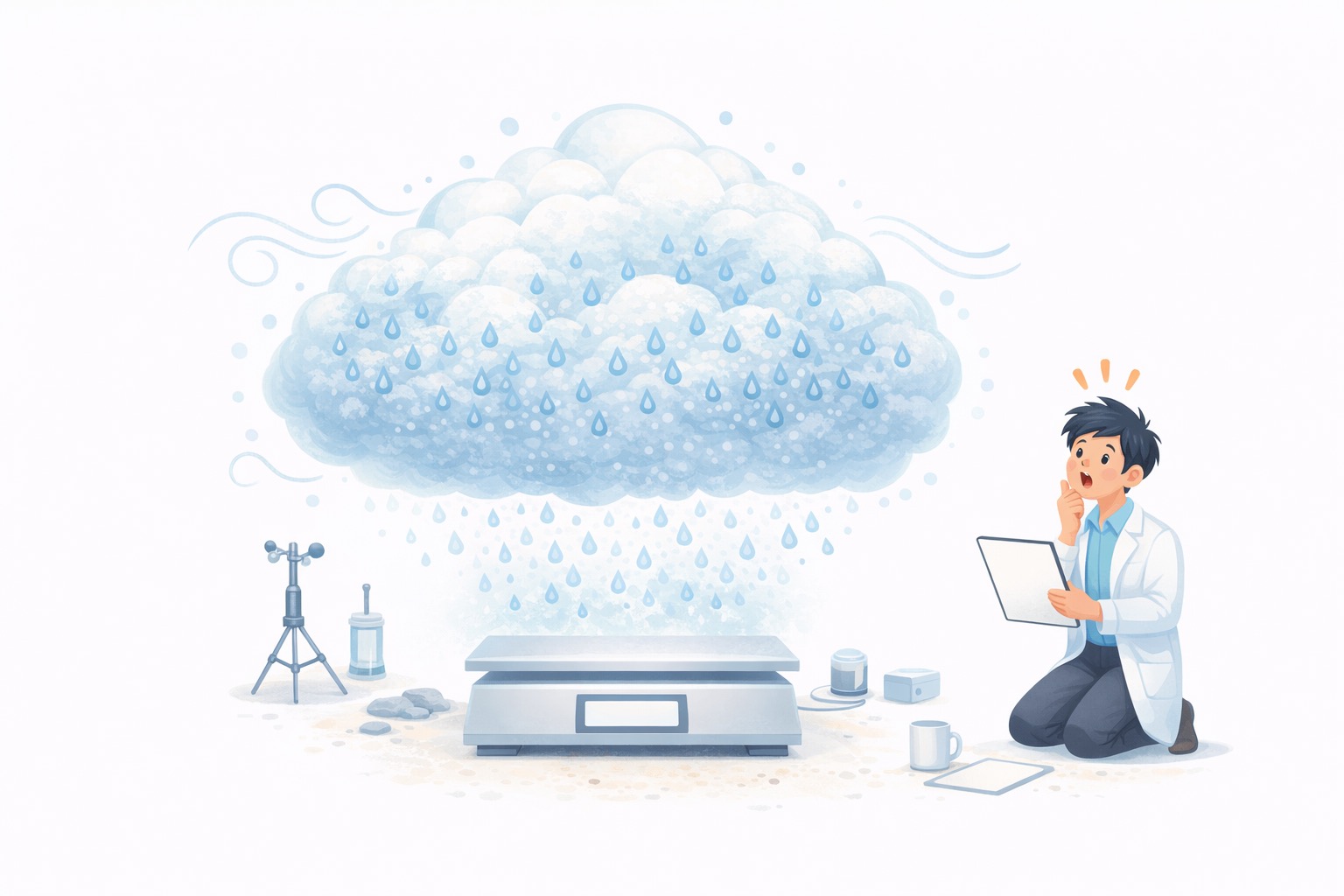
In a standard example, the tiny droplets spread through a cumulus cloud add up to about 500 tonnes of water. A simple calculation explains the estimate—and why the cloud still floats.


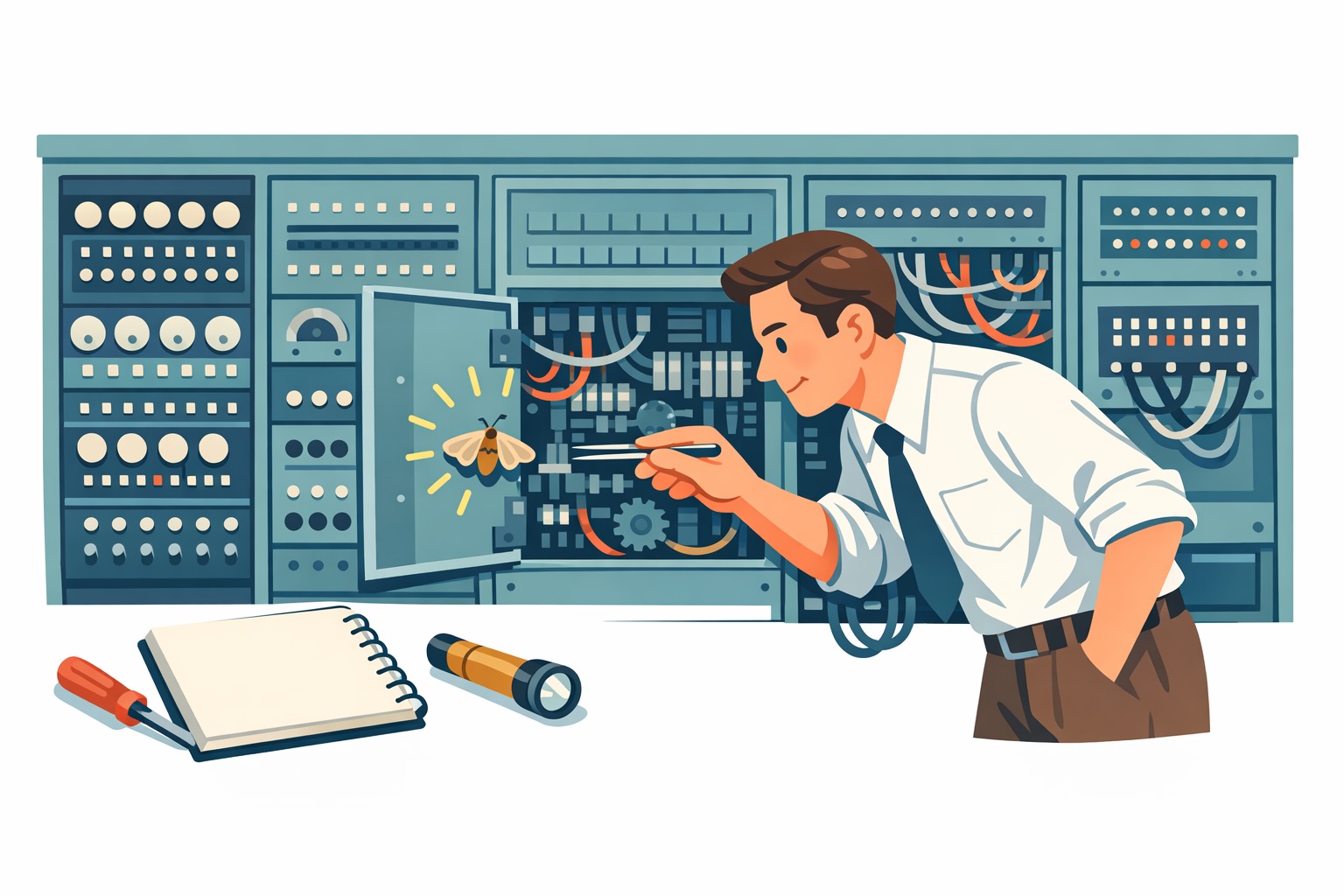
The term "bug," used today to describe a software error, is famously traced back to an actual moth found inside a computer in 1947.

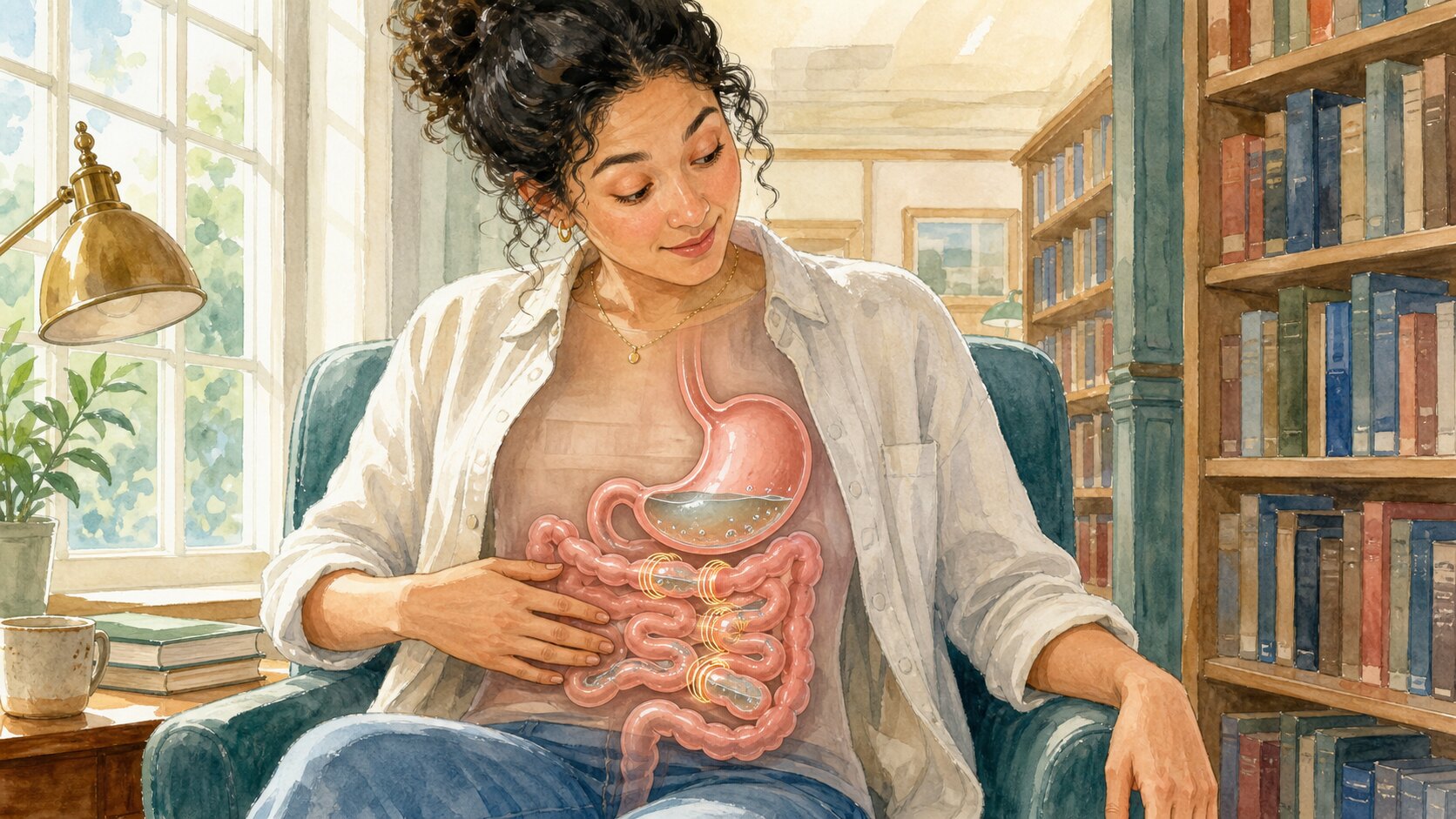
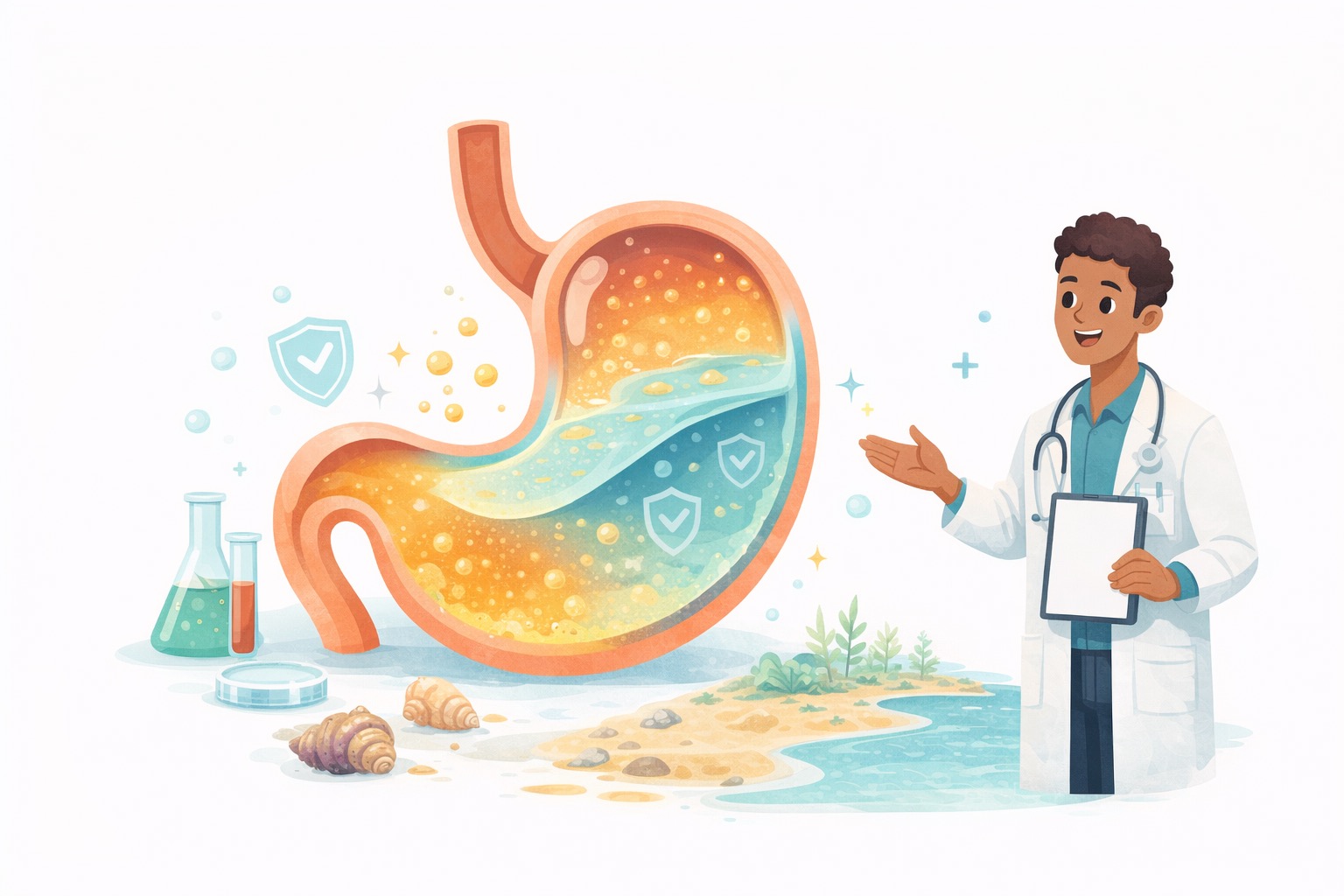
A constantly renewed mucus-and-bicarbonate barrier protects the stomach lining from the acid and enzymes used to digest food.

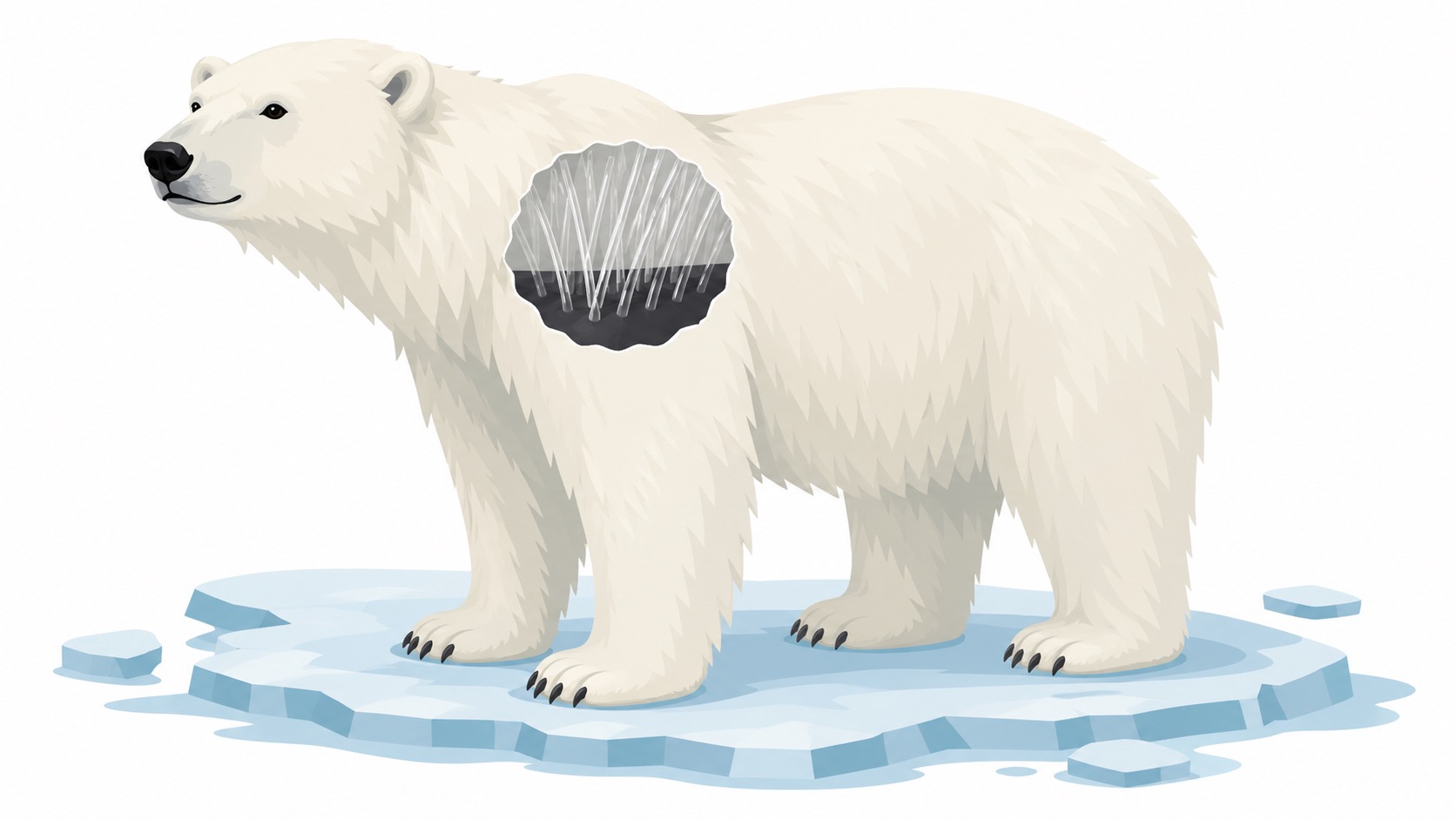
The seemingly white fur of polar bears is actually colorless and transparent, while their skin underneath is closer to black.

The IKEA effect describes our tendency to assign extra value to objects we helped create or assemble.

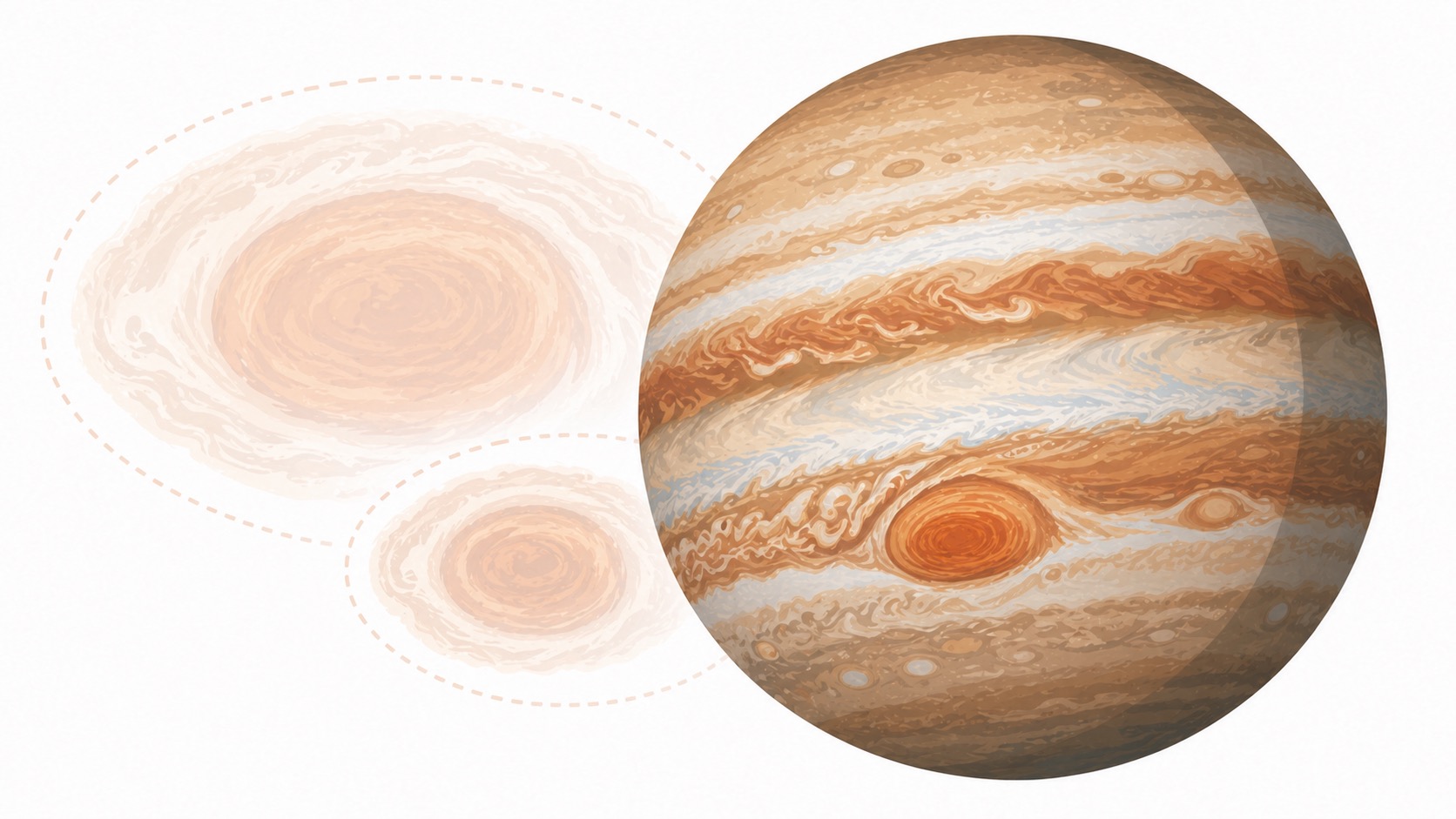
Jupiter's Great Red Spot, a massive swirling storm, is larger than Earth's diameter and has been raging for hundreds of years without dying down.

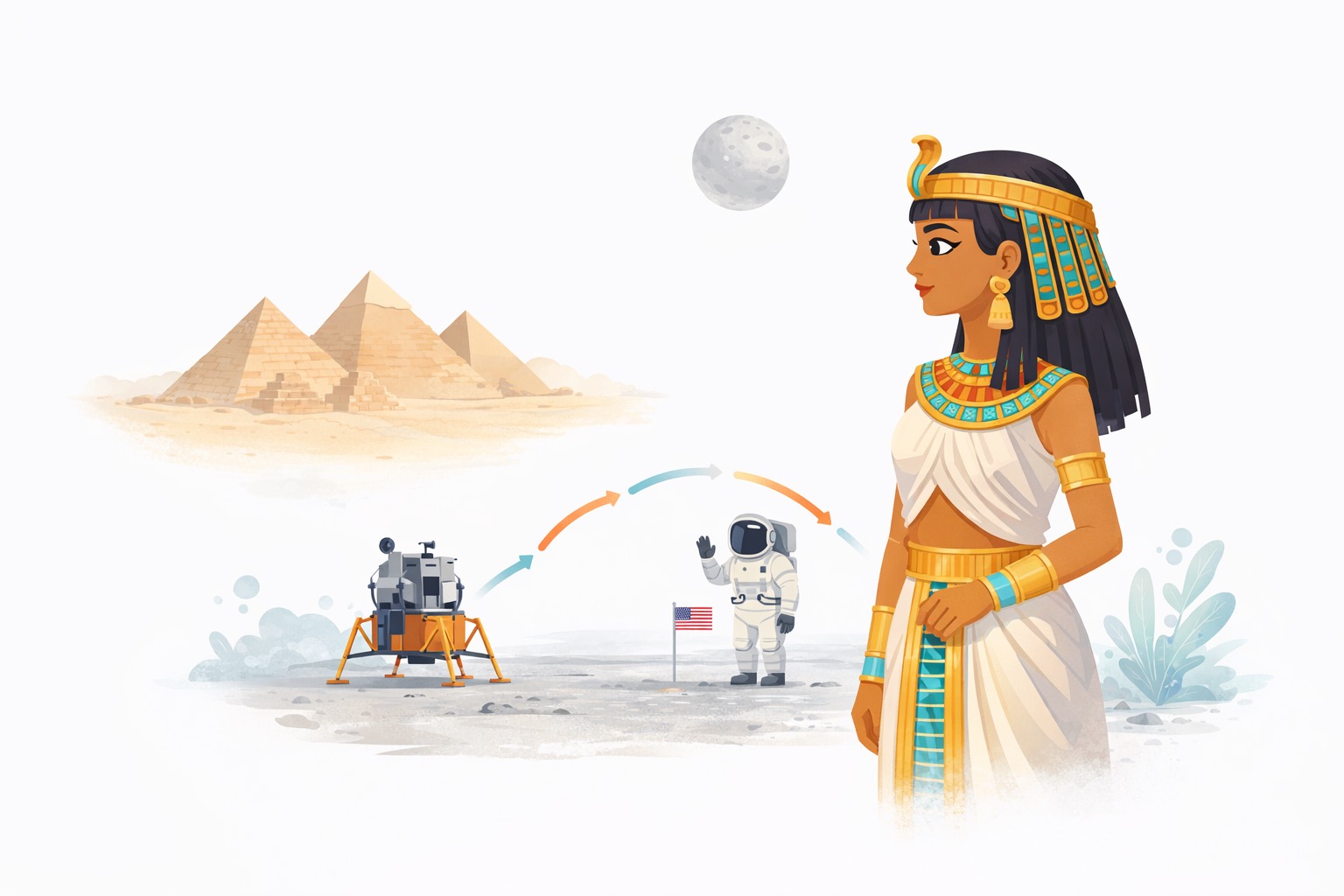
The Great Pyramid was already ancient in Cleopatra's time; fewer years separate her from Apollo 11 than from its construction.

Rainbows are circular optical phenomena, but the horizon usually hides the lower half from observers on the ground.

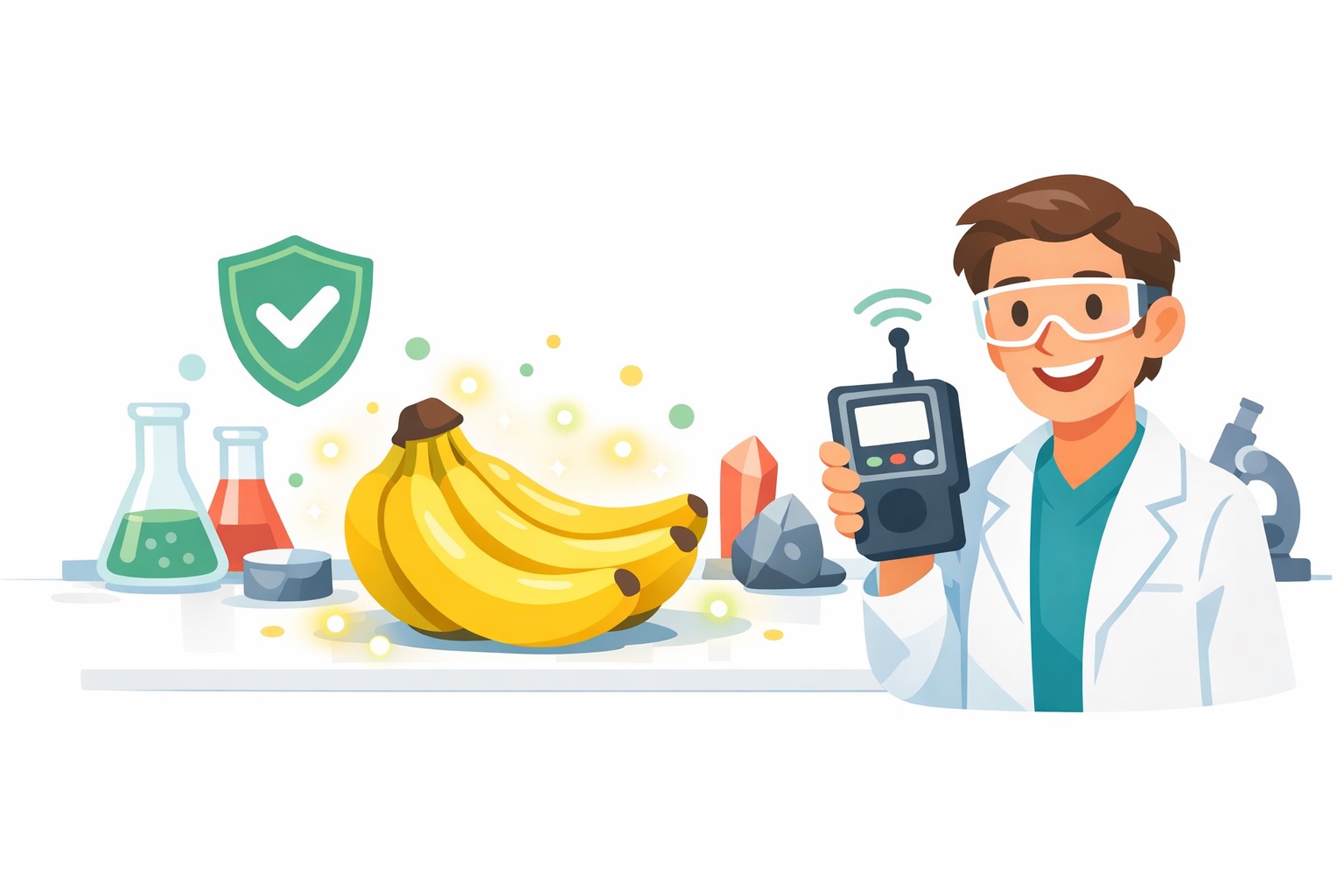
Bananas contain trace amounts of radioactive potassium, which scientists sometimes use as a fun reference unit called the "banana equivalent dose."

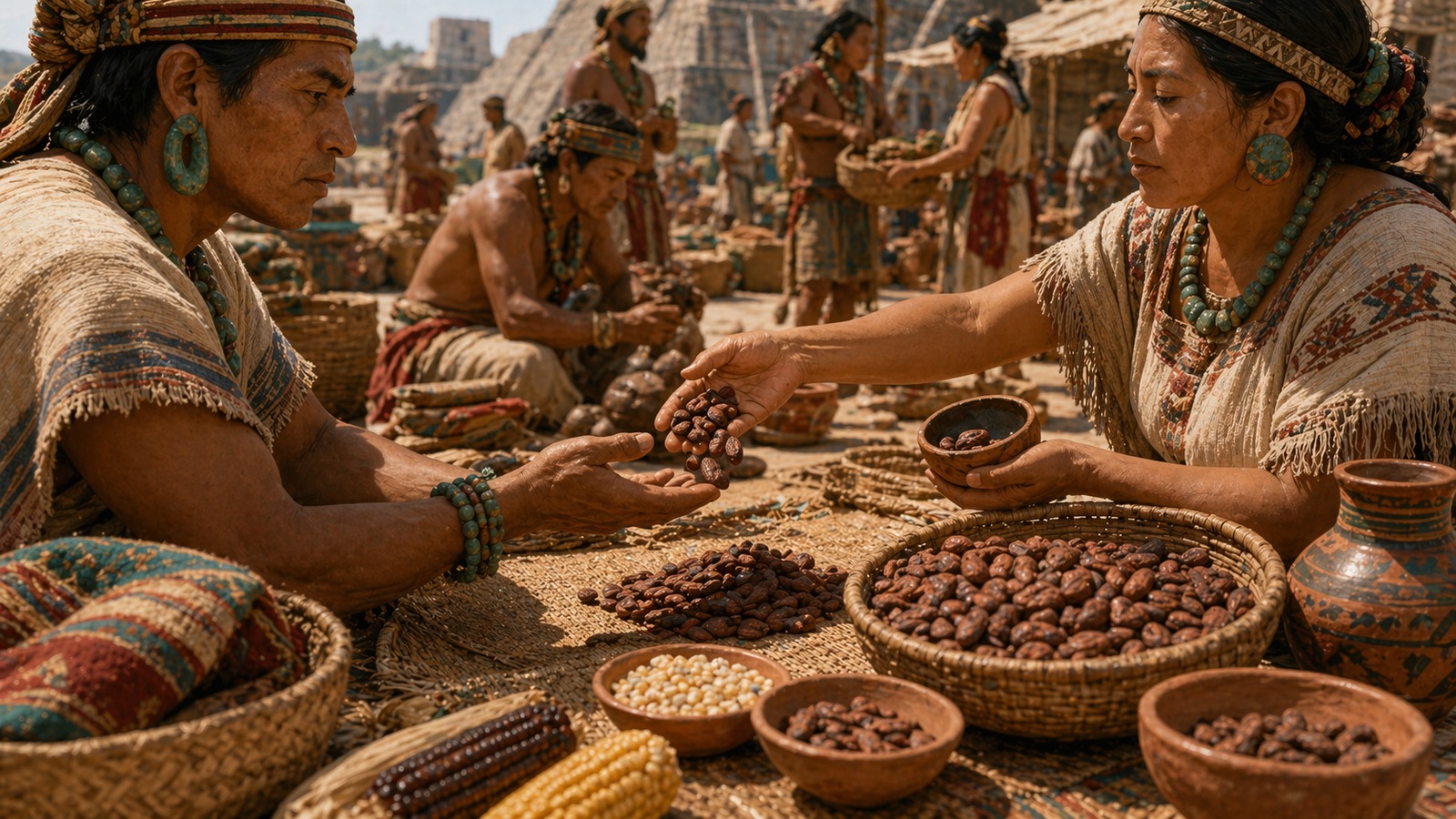
In Mesoamerica, cacao beans served as valuable drink ingredients, trade goods, and units for taxes and exchange.

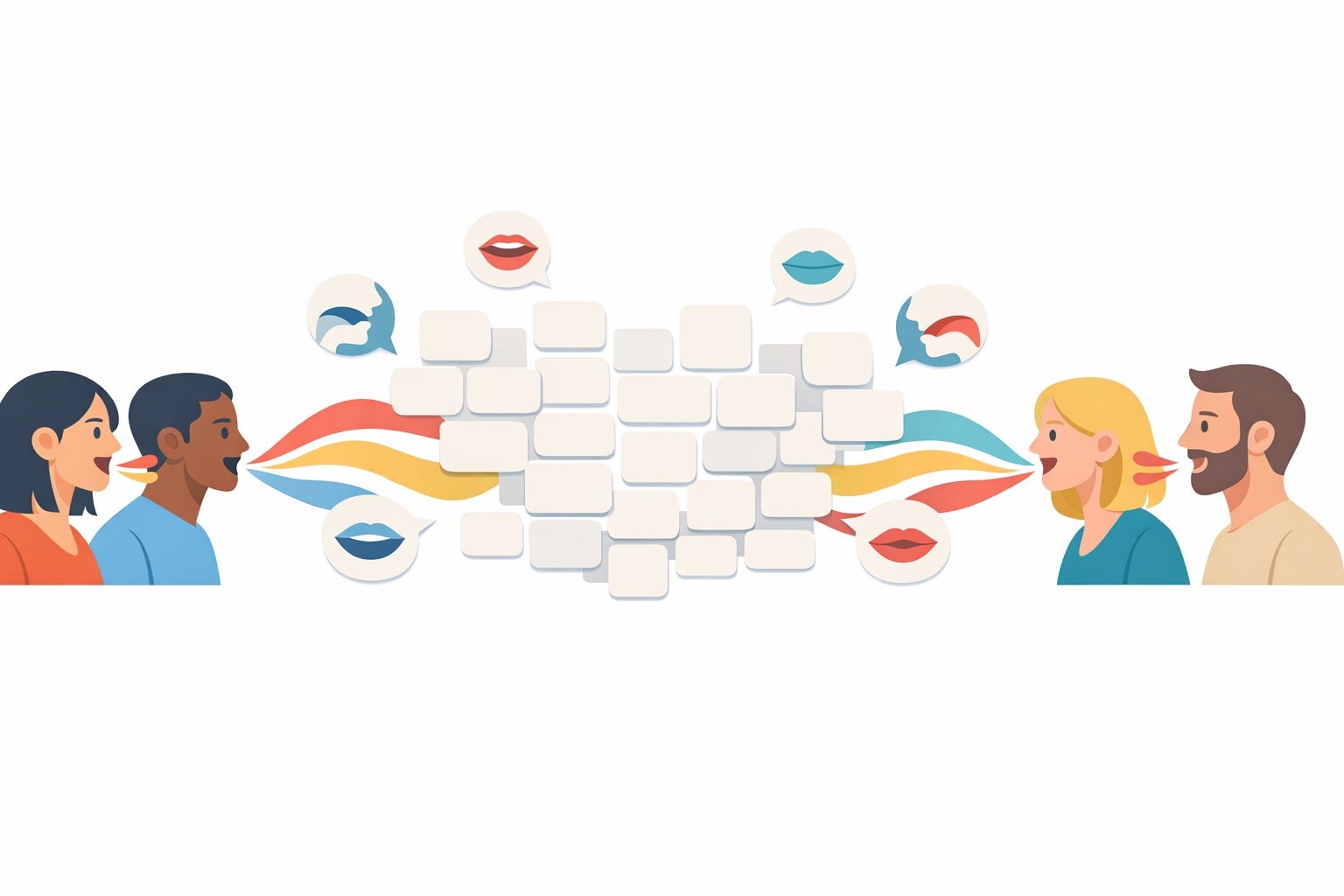
The IPA records actual speech sounds consistently instead of relying on the irregular spelling systems of individual languages.

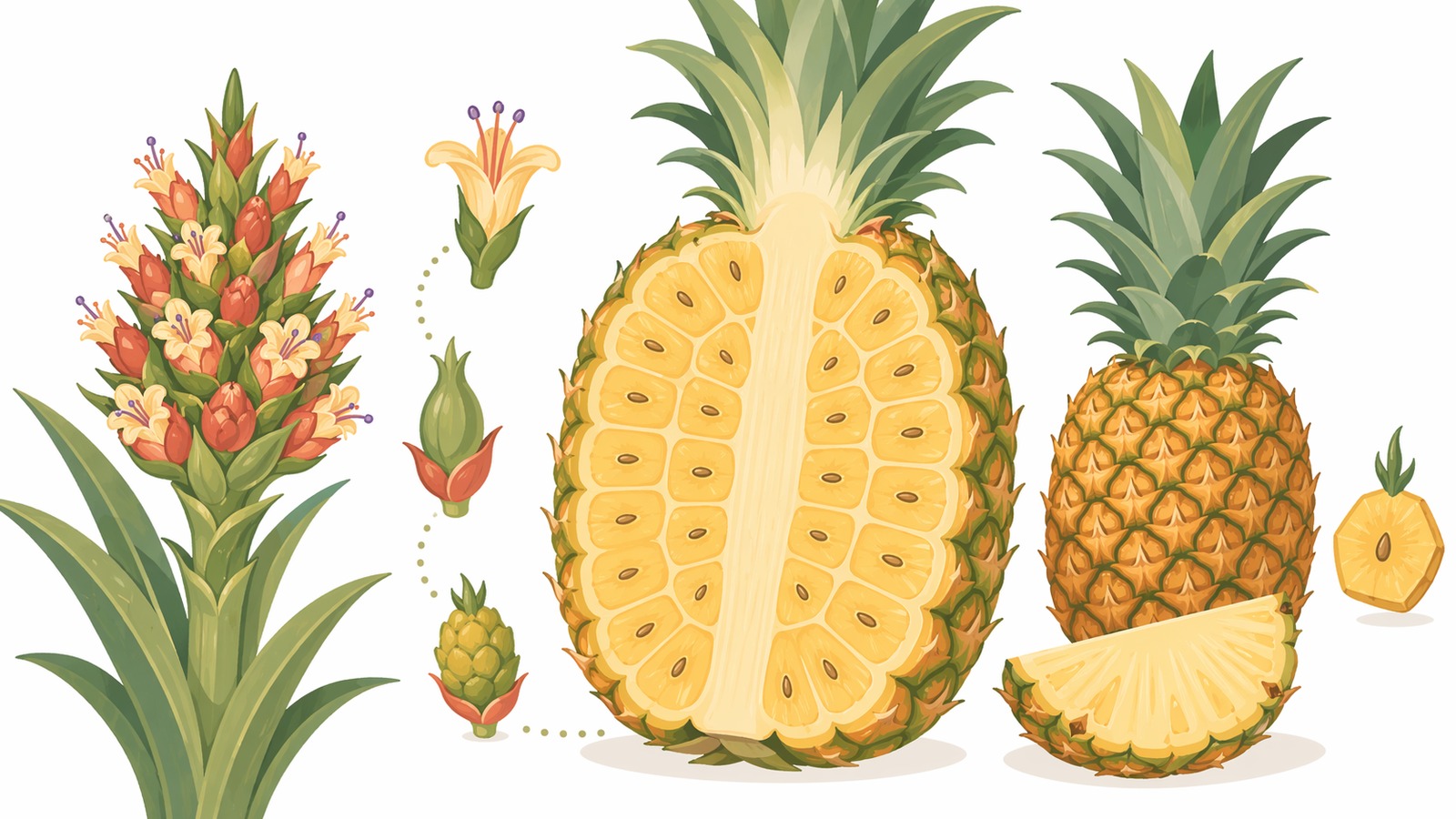
A pineapple forms when fruits from many flowers merge with the central stalk into one multiple fruit.

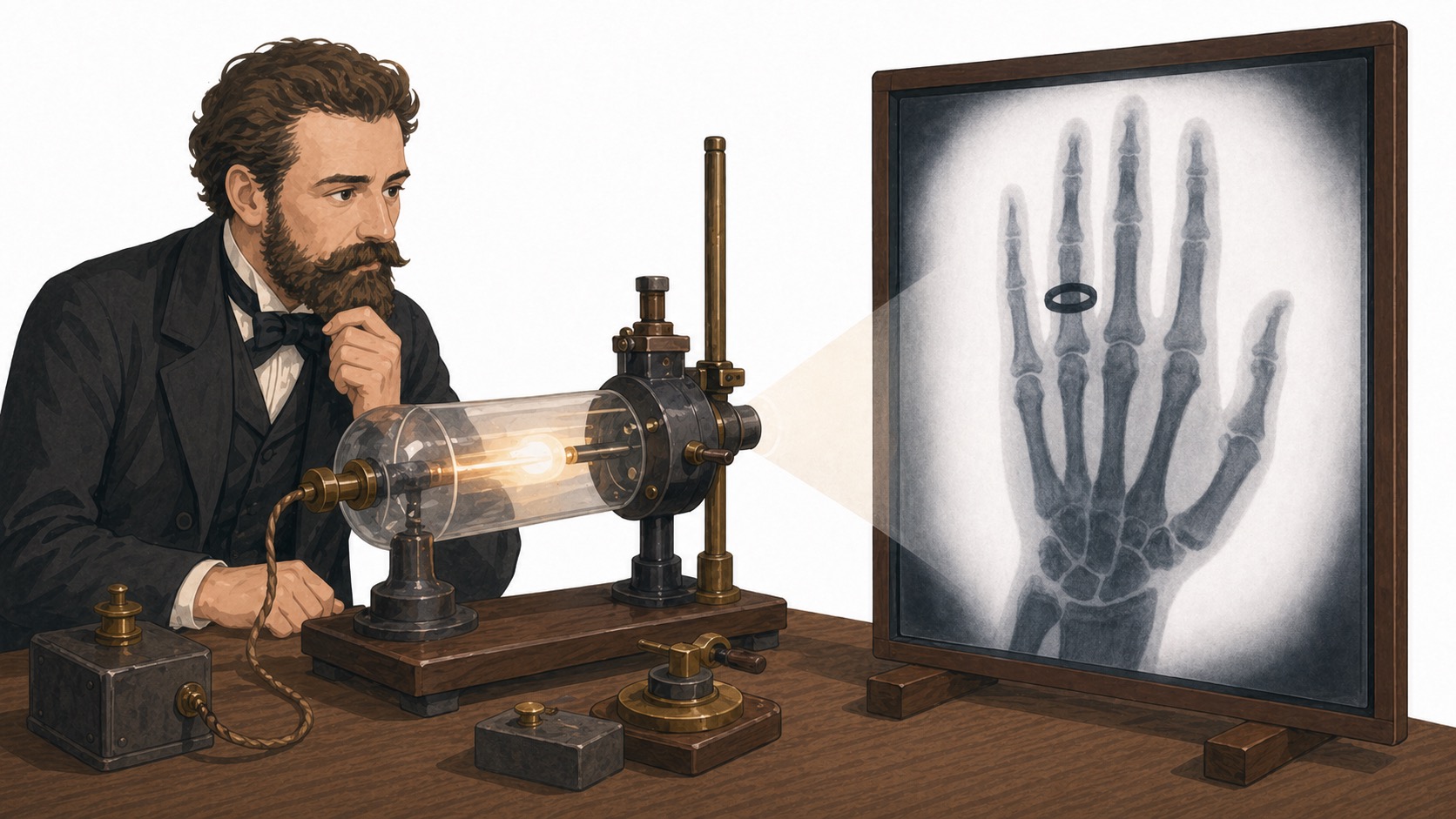
Röntgen's 1895 X-ray image of his wife's hand launched an era of seeing inside the body without surgery.

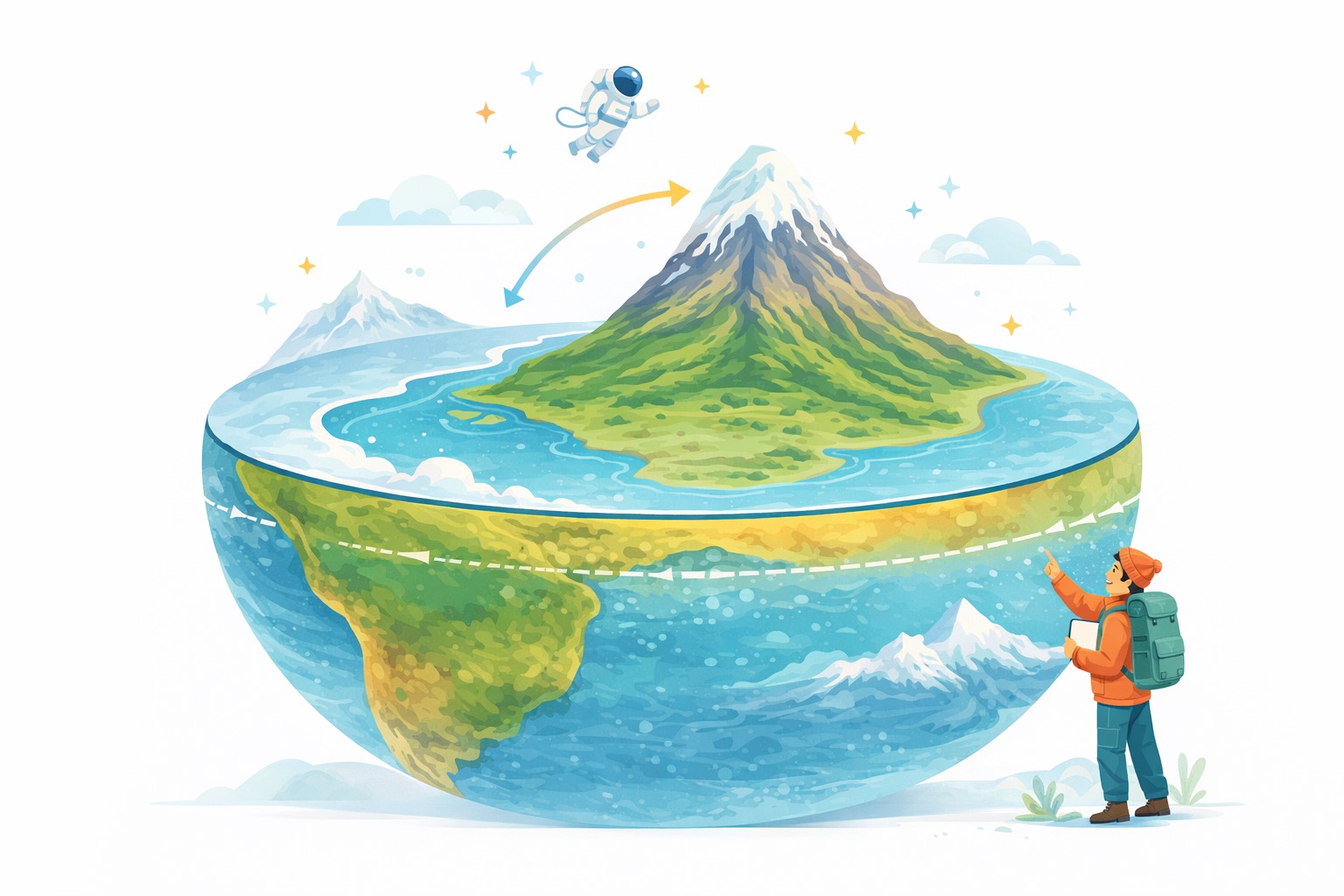
Because Earth bulges at the equator, Ecuador's Chimborazo is farther from Earth's center than Mount Everest.

Octopuses are mysterious creatures with three hearts and blue blood, a unique physiology that helps them survive in the cold depths of the ocean.

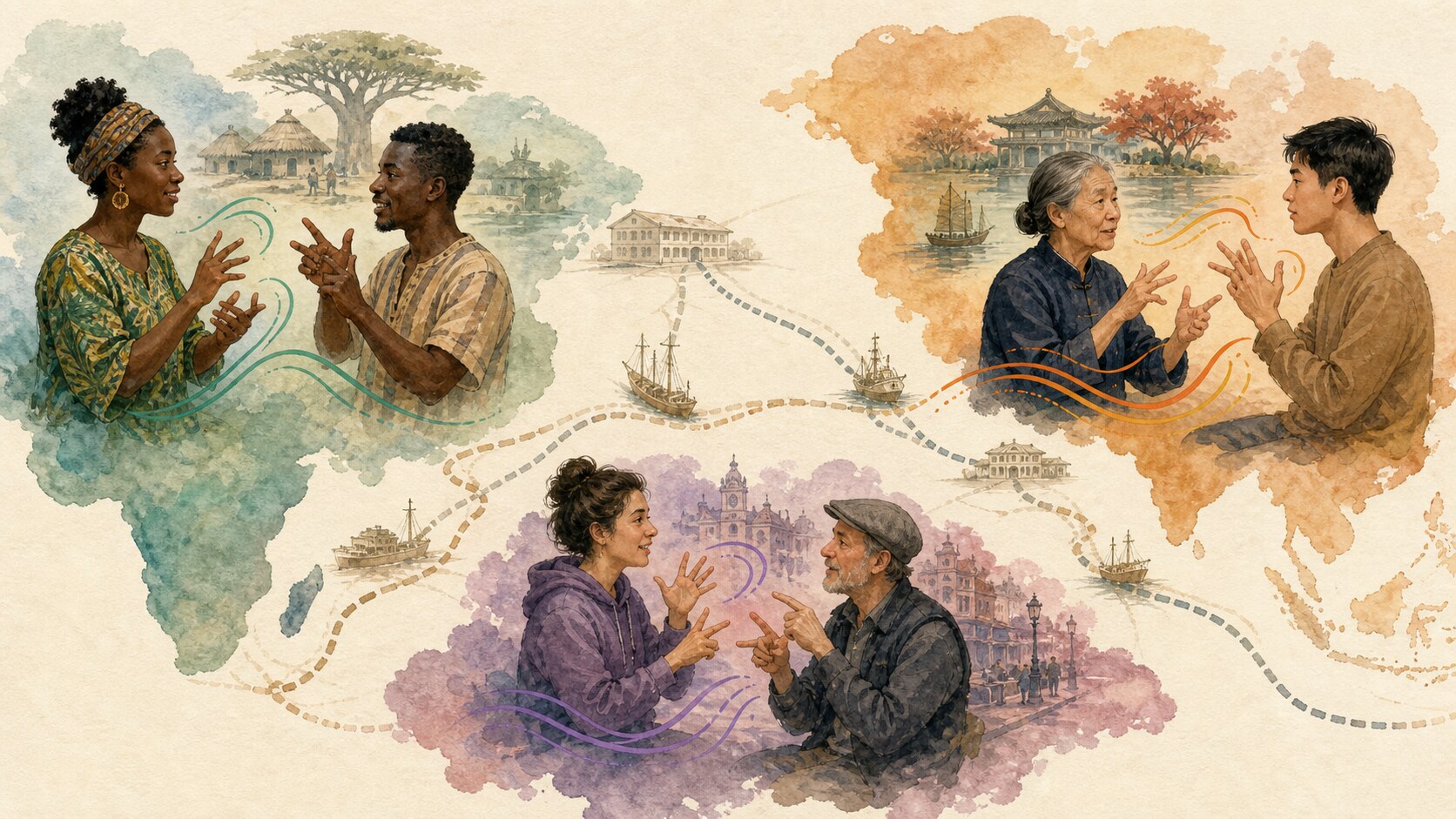
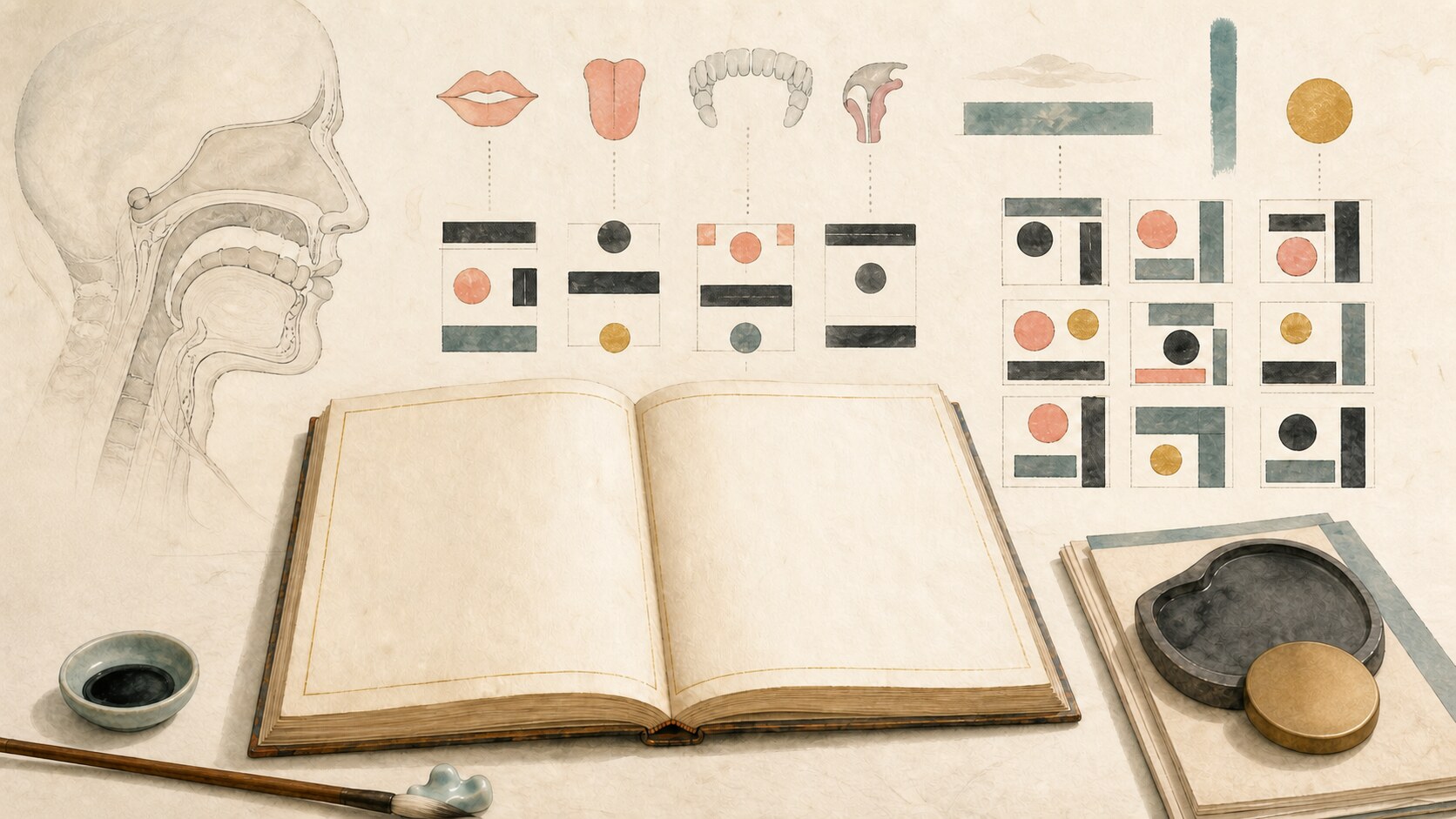
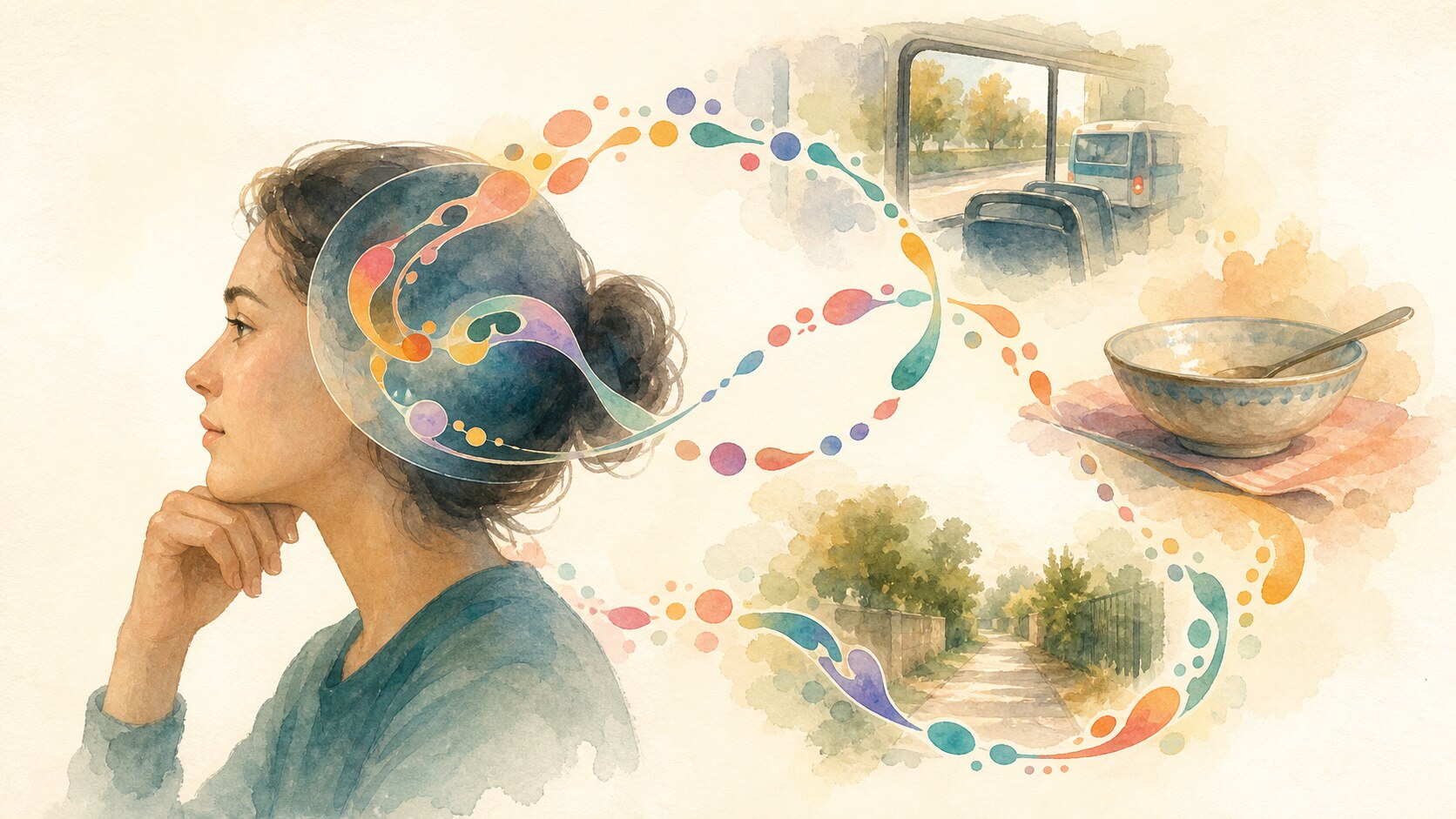
Endangered languages carry local knowledge, memory, relationships, and ways of seeing the world—not merely vocabulary.

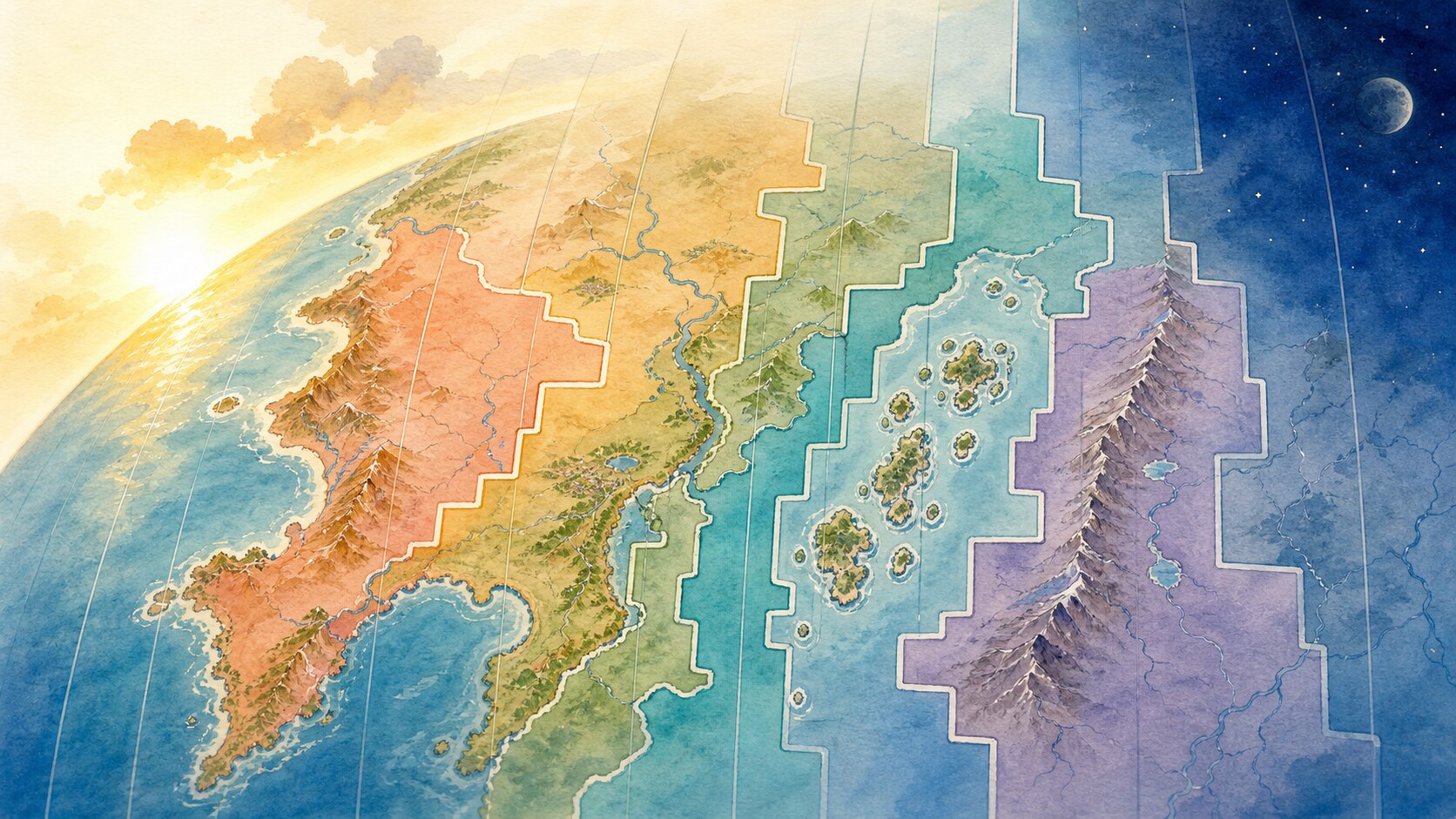
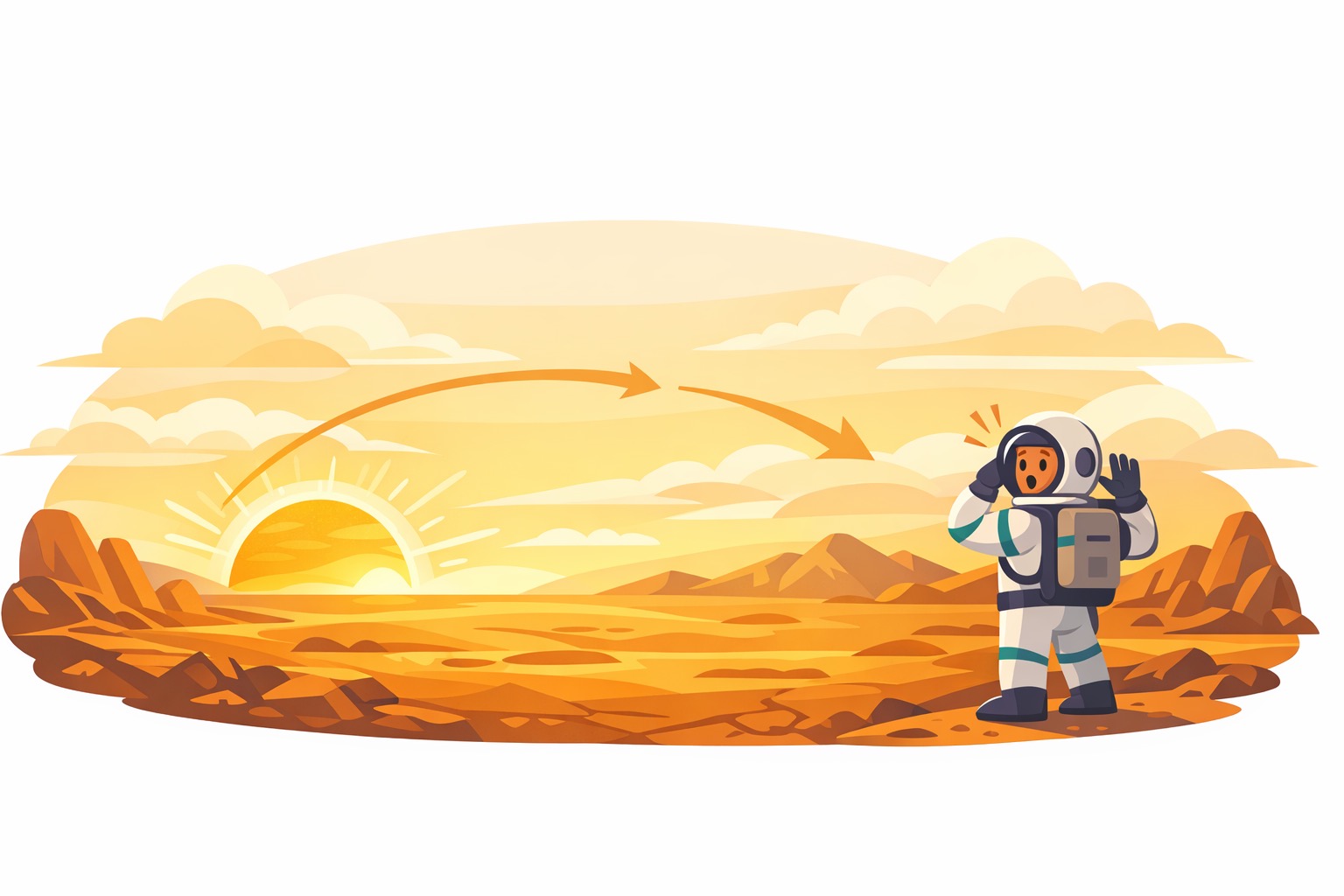
Venus rotates in the opposite direction from most planets, so the Sun would appear to rise in the west and set in the east.

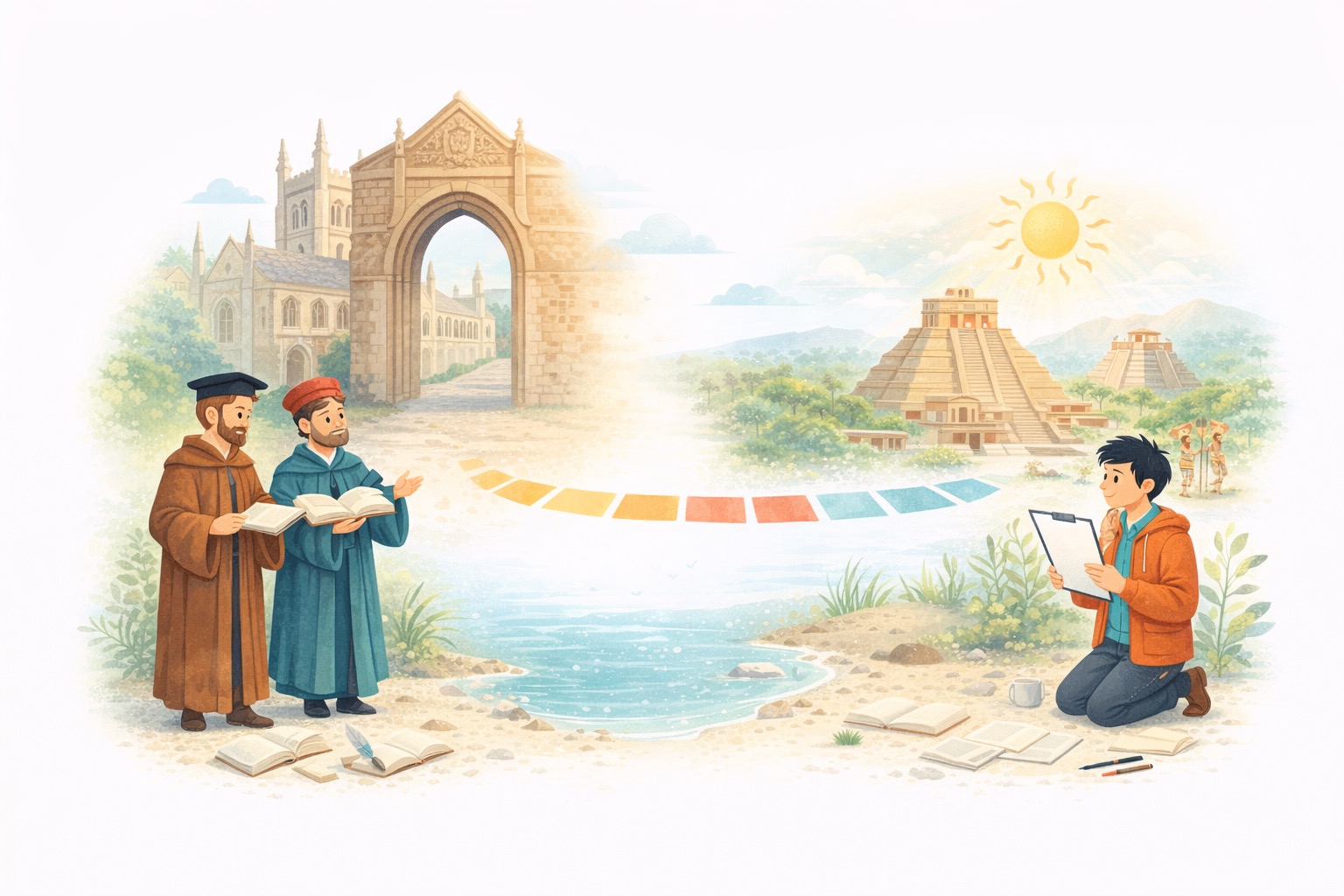
England's University of Oxford had already been teaching students for centuries before the Aztec Empire was even founded — a surprisingly old institution.

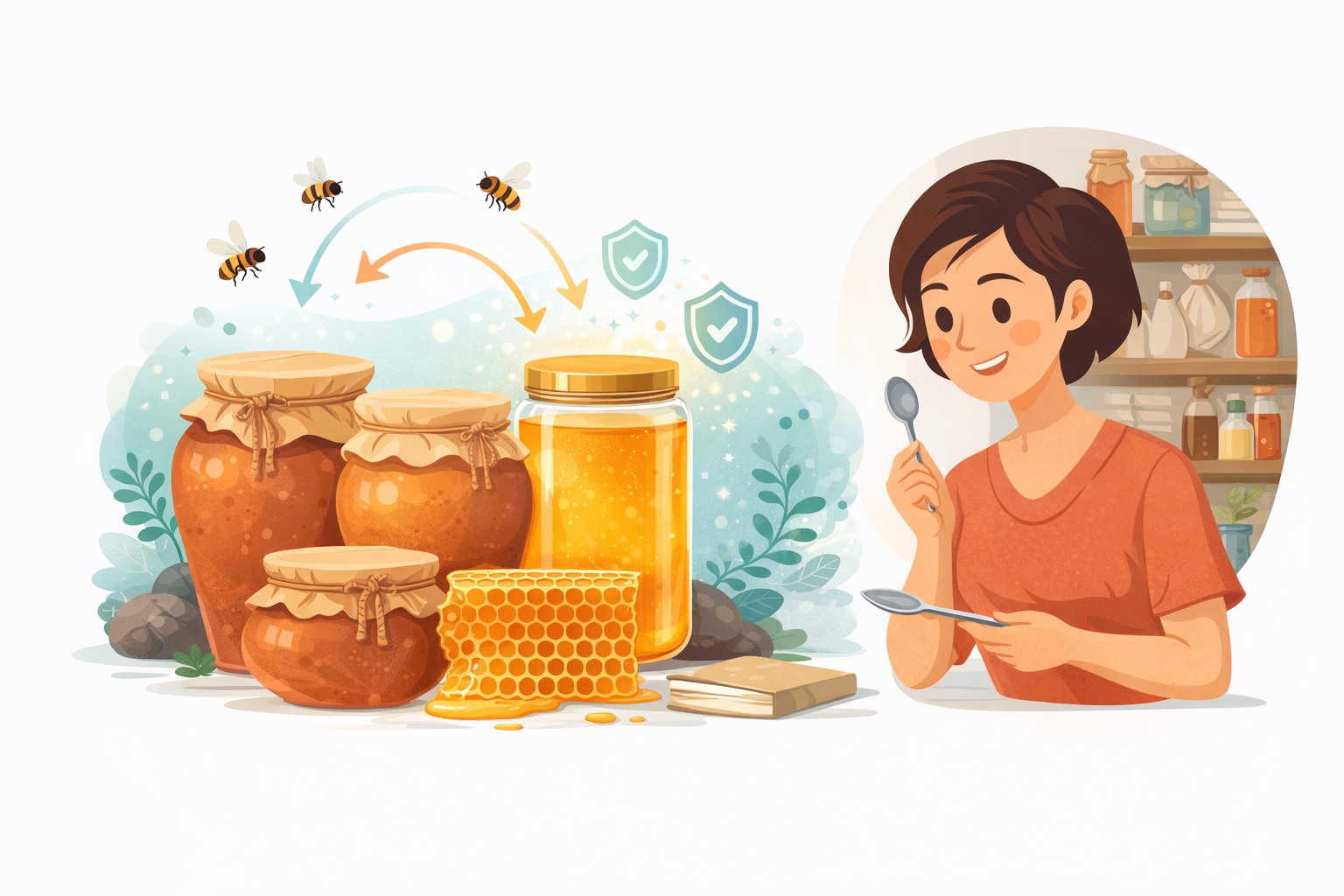
Honey jars found in ancient Egyptian tombs were still perfectly preserved after 3,000 years — here's the science behind why honey never goes bad.